Sri Lanka packs remarkable biodiversity into a small island. From elephants and leopards to blue whales and colorful birds, the wildlife here rivals much larger countries. National parks, marine sanctuaries, and nature reserves protect these animals while allowing visitors to observe them in natural settings.
The island’s varied landscapes create different habitats supporting diverse species. Dry zone parks in the south and east differ completely from wet zone forests in the central hills. This variety means you can see different animals depending on where you visit.
Yala National Park
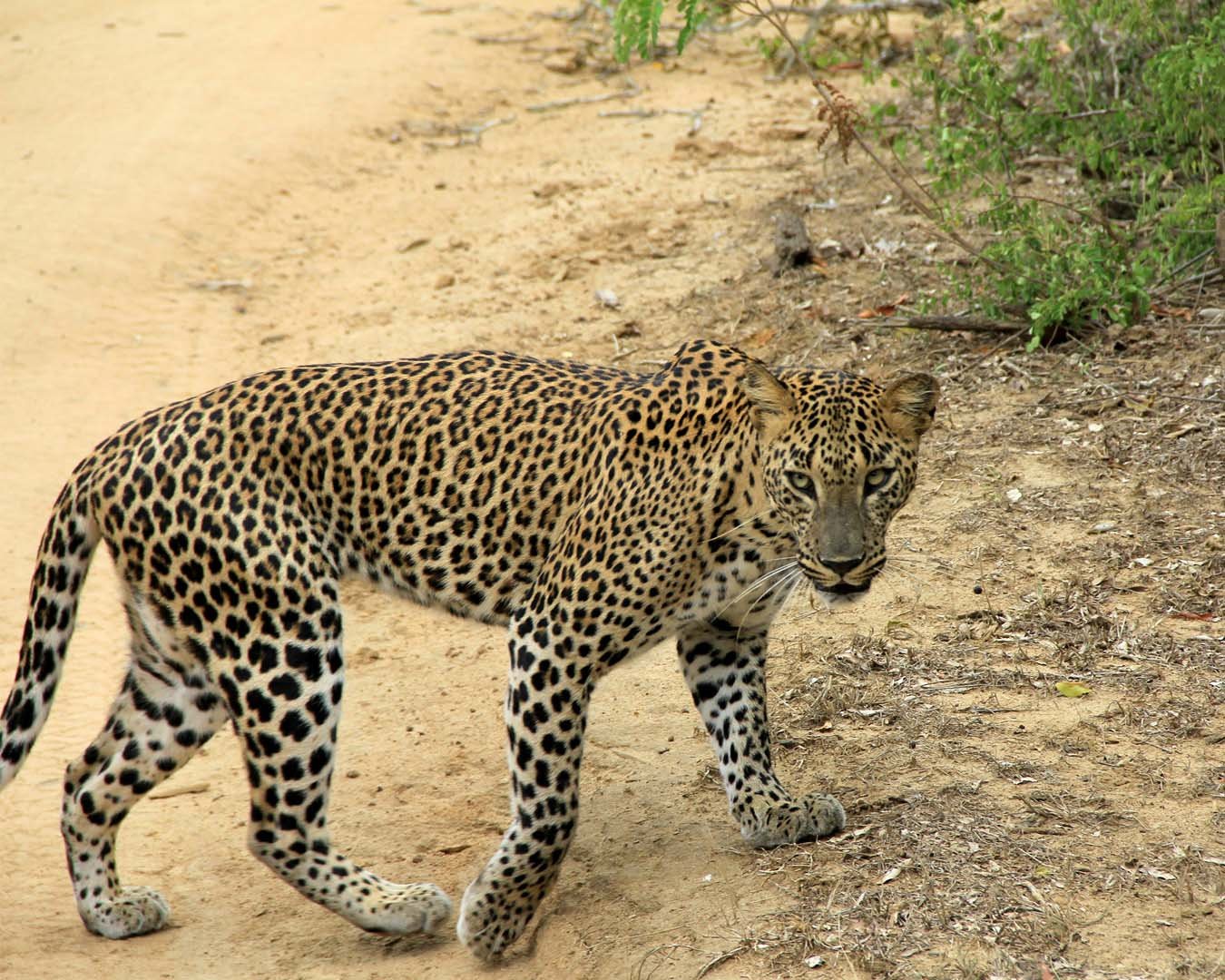
Yala is Sri Lanka’s most famous wildlife park and has one of the highest leopard densities in the world. The park combines dry forests, grasslands, and coastal areas, creating habitats for numerous species. Besides leopards, you’ll likely see elephants, sloth bears, crocodiles, and various deer species.
Block One of Yala is the most visited section, though this means more safari vehicles during peak seasons. Early morning and late afternoon safaris offer the best chances for leopard sightings, as these cats are most active during cooler hours.
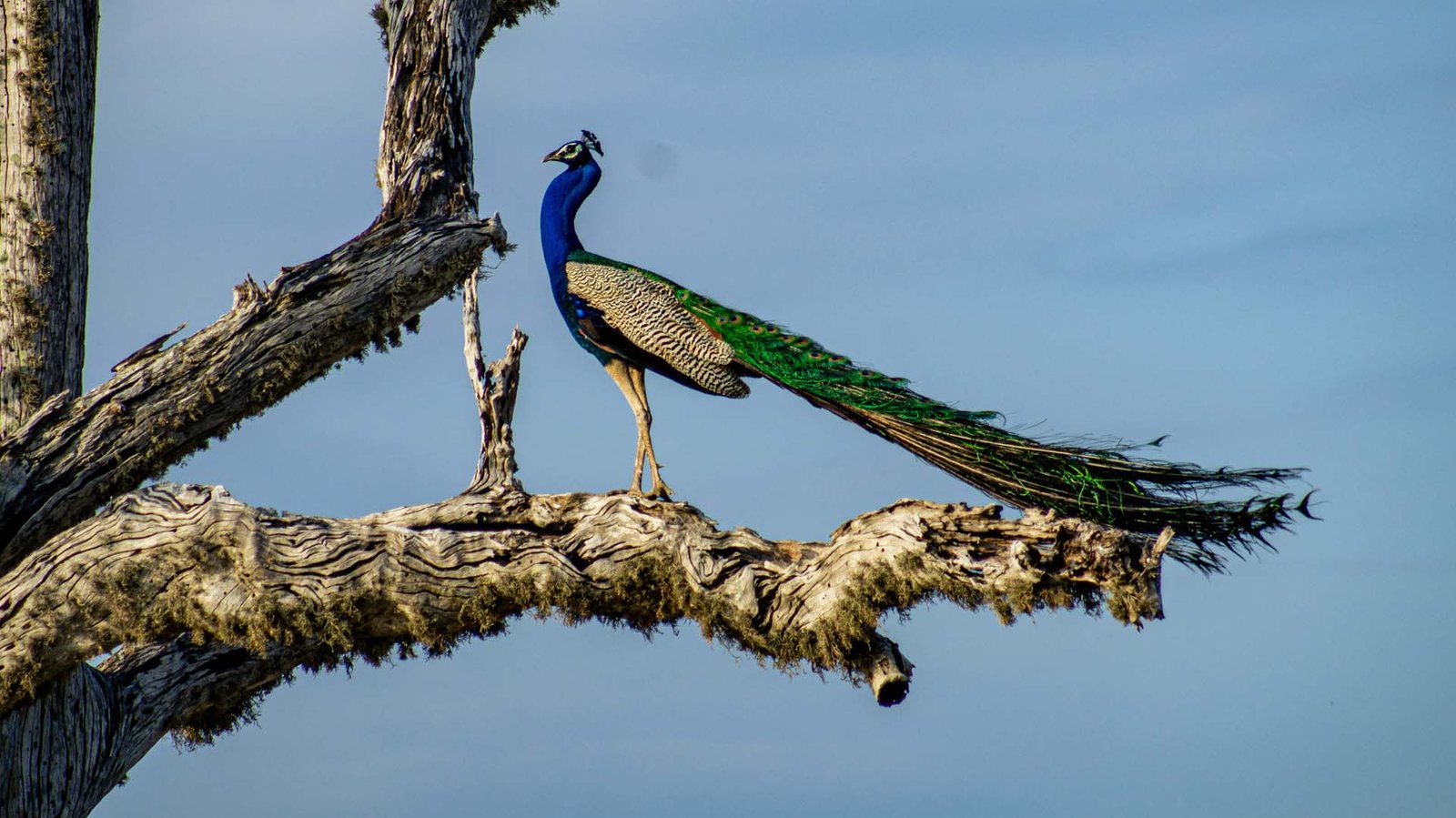
The park also attracts bird watchers, with over 200 bird species recorded. Painted storks, peacocks, and various eagles are commonly spotted during game drives.
Udawalawe National Park
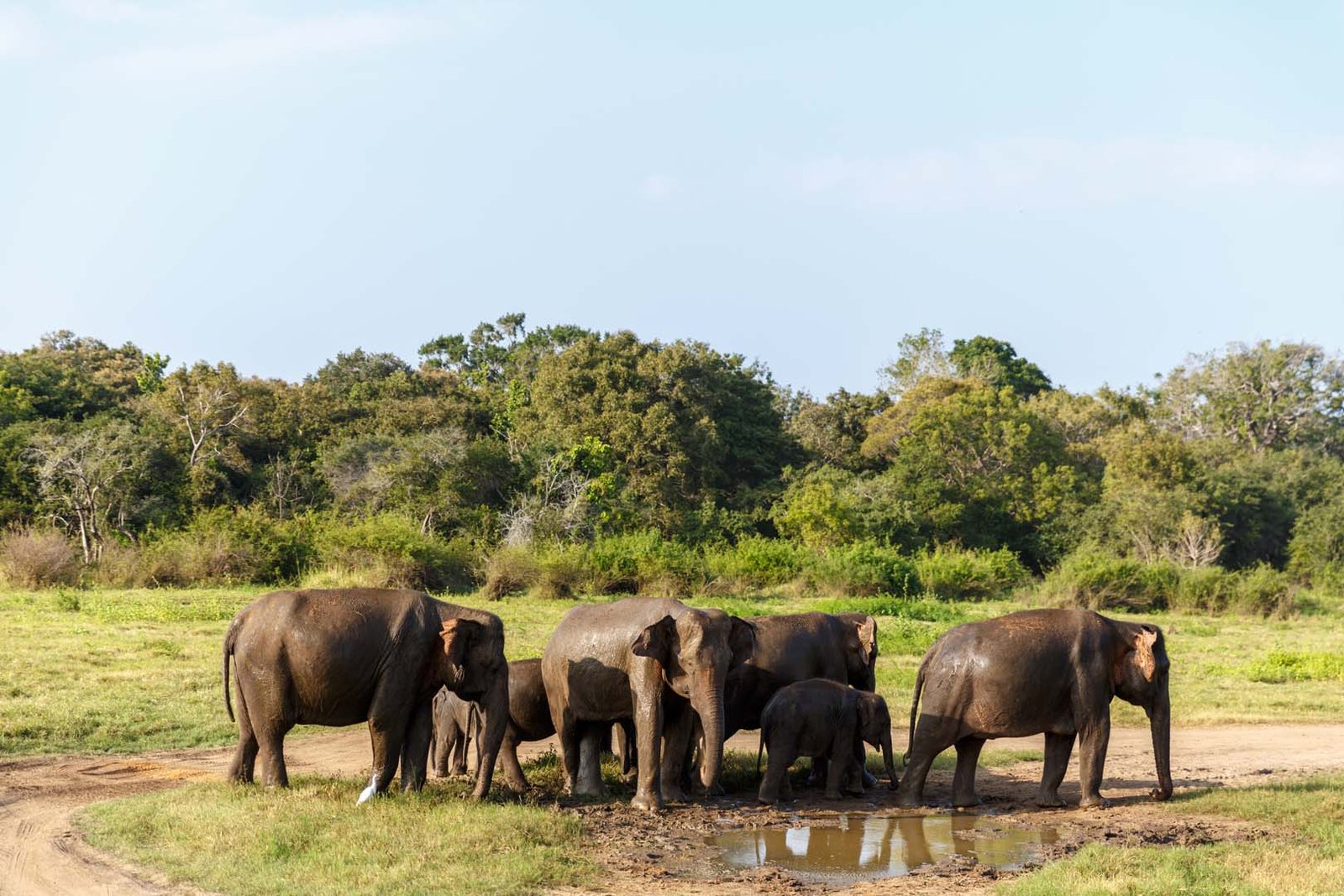
If elephants are your priority, Udawalawe delivers consistently. The park was created around a large reservoir, and elephants gather near water sources throughout the day. Herds of 50 or more elephants are common sights, making this one of the best places in Asia to observe these giants.
The landscape is more open than Yala, with grasslands and scattered trees. This terrain makes spotting animals easier. Besides elephants, the park hosts water buffalo, sambar deer, and numerous water birds.
Near the park entrance, the Elephant Transit Home cares for orphaned baby elephants before releasing them back to the wild. Public feeding times offer close-up views of these young elephants.
Wilpattu National Park
Wilpattu is Sri Lanka’s largest national park but sees fewer visitors than Yala. The park’s unique feature is its numerous natural lakes called “villus” where animals gather to drink. Dense forest covers much of Wilpattu, creating excellent leopard habitat.
Leopard sightings happen regularly, though the thicker vegetation makes spotting them slightly harder than in Yala. Elephants, sloth bears, and spotted deer are also present. The park’s relative quietness means a more peaceful safari experience with fewer vehicles around.
Minneriya and Kaudulla National Parks
These neighboring parks in the Cultural Triangle region are famous for “The Gathering,” a natural phenomenon where hundreds of elephants congregate during the dry season (July to September). As water sources dry up, elephants migrate to Minneriya Tank and Kaudulla Tank, creating spectacular wildlife viewing.
During peak gathering periods, you might see 200-300 elephants in one place. They come to feed on the fresh grass that grows as the tank’s water level drops. This concentration of elephants is one of the largest gatherings of Asian elephants anywhere.
Sinharaja Rain Forest
Sinharaja is a UNESCO World Heritage Site and Sri Lanka’s last viable primary tropical rainforest. The wildlife here differs from dry zone parks. Instead of large mammals, Sinharaja is renowned for endemic birds, reptiles, and insects.
Over 20 endemic bird species live in this forest, making it essential for serious bird watchers. The Sri Lankan blue magpie, red-faced malkoha, and green-billed coucal are among the colorful species you might spot. Purple-faced langur monkeys move through the canopy, and if you’re lucky, you might see a rusty-spotted cat, one of the world’s smallest wild cats.
Walking trails wind through the forest, requiring more physical effort than safari drives but offering intimate encounters with rainforest life.
Whale and Dolphin Watching
Sri Lanka’s waters host blue whales, sperm whales, and several dolphin species. Mirissa on the south coast and Trincomalee on the east coast are the main departure points for whale watching trips.
Blue whales, the largest animals ever to exist, migrate past Sri Lanka between November and April. Boat trips typically last 3-4 hours, heading several kilometers offshore where deep waters attract these marine giants. Spinner dolphins often appear in large pods, performing acrobatic leaps.
Responsible whale watching means maintaining distance and not disturbing the animals. Choose operators who follow ethical guidelines to ensure your trip doesn’t harm marine life.
Marine Turtles
Five turtle species nest on Sri Lankan beaches. Several turtle conservation projects along the coast rescue eggs and injured turtles. These centers work to protect turtles while educating visitors about conservation efforts.
If you visit during nesting season (April to July for some species), you might see turtles coming ashore to lay eggs. Some conservation projects organize nighttime beach walks where you can observe nesting safely without disturbing the turtles.
Bird Watching Locations
Sri Lanka has over 430 bird species, with 33 endemic to the island. Besides Sinharaja, several other locations offer excellent bird watching. Bundala National Park on the south coast is an important wetland attracting migratory birds, including flamingos during certain months.
Kumana National Park on the east coast hosts breeding colonies of water birds. Thousands of birds nest here during the season, creating impressive natural displays. The central highlands around Horton Plains and Nuwara Eliya provide habitat for highland endemic species not found elsewhere.
Best Times for Wildlife Watching
Wildlife viewing success depends partly on timing. The dry season (June to September) is generally best for national parks, as animals gather around limited water sources. However, specific parks have different optimal seasons.
For Yala, February to July offers good conditions. Minneriya’s elephant gathering peaks from July to September. Whale watching seasons differ by coast: south coast from November to April, east coast from March to August.
Bird watching can be productive year-round, though migratory species arrive during northern hemisphere winter months, increasing diversity.
Safari Experiences
Game drives in national parks typically occur in open-top jeeps, allowing unobstructed views and photography. Early morning safaris start around 5:30 AM when animals are most active. Afternoon safaris begin around 2:30 PM and continue until the park closes at 6 PM.
Full-day safaris are available in some parks, giving more time to explore and increasing chances of significant sightings. Experienced drivers and trackers know animal behavior patterns and the best spots for viewing.
Making the Most of Wildlife Tours
Seeing wildlife in natural habitats requires patience. Not every safari guarantees seeing specific animals, but each park visit offers unique moments. Sometimes the excitement comes from unexpected sightings rather than target species.
Our wildlife tours are designed by people who understand animal behavior and park dynamics. We select the right parks for the season, arrange safaris at optimal times, and work with experienced drivers who maximize your chances of memorable wildlife encounters. Whether you want to photograph leopards, observe elephant herds, or spot endemic birds, we create itineraries that put you in the right place at the right time.