Sri Lanka’s coastal waters offer two distinct ocean experiences: encounters with the world’s largest creatures and riding tropical waves. The island’s position in the Indian Ocean creates conditions for both activities, attracting marine wildlife and generating consistent surf breaks year-round.
Different coasts suit different seasons, meaning you can find good conditions somewhere on the island throughout the year. Whether you want to see blue whales breach or catch your first wave, Sri Lanka’s coastline delivers memorable ocean experiences.
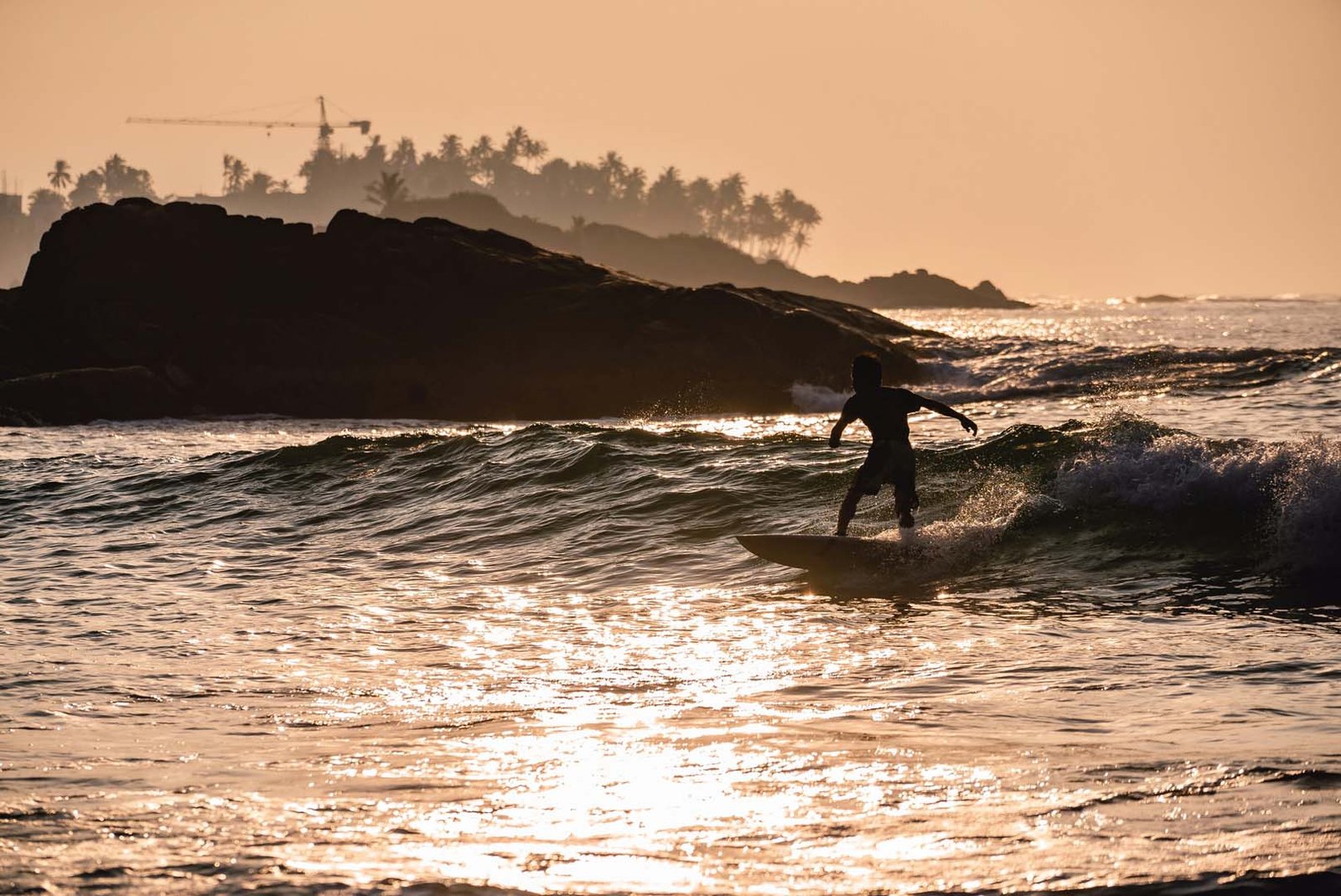
Whale Watching from Mirissa
Mirissa on the south coast has become Sri Lanka’s whale watching capital. The continental shelf drops off close to shore here, creating deep waters that attract blue whales and sperm whales. Boats can reach whale territory within an hour of leaving the harbor.
Blue whales, the largest animals ever to live on Earth, migrate past Sri Lanka between November and April. These massive creatures can grow over 30 meters long and weigh up to 200 tons. Seeing one surface and blow is an incredible experience that puts human scale into perspective.
Besides blue whales, trips often encounter sperm whales, Bryde’s whales, and occasionally fin whales. Spinner dolphins frequently appear in large pods, performing acrobatic displays that include full rotations in the air. Some trips record sightings of several whale species in a single morning.
Boats depart early morning, usually around 6:30 AM, and return by mid-morning. The sea is typically calmer in early hours, making for smoother sailing and better viewing conditions. Most operators use boats designed for whale watching, with viewing decks and basic facilities.
Whale Watching from Trincomalee
Trincomalee on the east coast offers whale watching from March to August, covering the period when southwest monsoon affects the south coast. The season here coincides with calmer seas on the eastern side of the island.
Blue whales are the main attraction, following their migration route closer to the eastern coastline during these months. The boat ride to whale territory is shorter from Trincomalee than from Mirissa, sometimes reaching whale areas within 30 minutes.
The east coast waters also support large pods of dolphins. Sightings of multiple species in one trip are common, creating varied marine encounters throughout the morning.
Responsible Whale Watching
Ethical whale watching matters for animal welfare and conservation. Boats should maintain proper distances from whales, avoid sudden movements that startle animals, and limit time spent near each whale group. These practices ensure whales aren’t stressed by tourism.
Choose operators who follow guidelines set by marine conservation organizations. Responsible captains don’t chase whales or allow crowds of boats around single animals. Your choice of operator directly affects how tourism impacts these magnificent creatures.
Surfing on the South Coast
Sri Lanka’s south coast generates consistent waves from November to April, coinciding with the northeast monsoon season. Several beaches along this stretch offer quality surf breaks suitable for different skill levels.
Weligama Bay is the premier learn-to-surf destination in Sri Lanka. The bay’s sandy bottom and gentle waves create ideal conditions for beginners. Numerous surf schools operate here, offering lessons and equipment rental. You can typically stand up on a board within your first few attempts at Weligama.
Hikkaduwa offers more variety, with beach breaks and reef breaks catering to intermediate surfers. The waves here have more power than Weligama, providing progression opportunities once you’ve mastered the basics. The long beach stretch means you can find less crowded spots even during busy periods.
Mirissa has several reef breaks that work well for experienced surfers. The waves are more challenging, breaking over coral reef rather than sand. These spots require confidence and good wave reading skills but reward capable surfers with quality rides.
East Coast Surfing
When the southwest monsoon brings rain to the south coast from May to September, the east coast enjoys its best conditions. Arugam Bay is Sri Lanka’s most famous surf destination, attracting surfers from around the world during this season.
Arugam Bay’s main point break is a right-hand wave that can offer long rides when conditions align properly. The wave is accessible to intermediate surfers but provides enough challenge to keep advanced surfers interested. Several other breaks exist in the area, giving options when the main point gets crowded.
Nearby beaches like Pottuvil Point and Whiskey Point offer additional surfing opportunities. Each break has different characteristics, allowing surfers to choose based on their skill level and the day’s conditions.
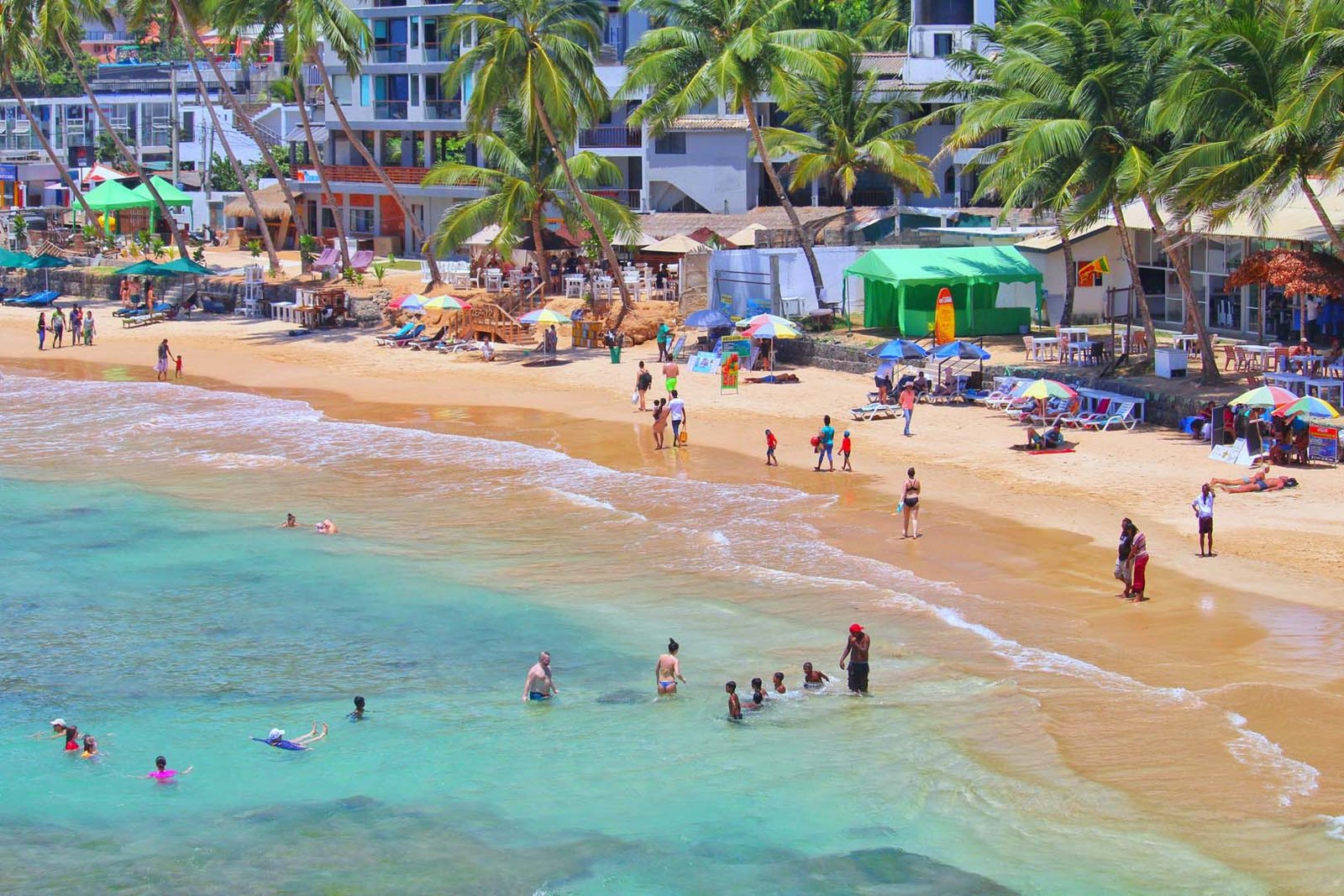
Surf Season Considerations
South coast surf season runs roughly from November through April. Waves are most consistent from December to March, with February and March being particularly reliable. Swell size varies, with most days offering waist to head-high waves suitable for all levels.
East coast season operates from April to October, with May through September being prime months. Arugam Bay receives consistent swell during this period, though August and September tend to produce the largest waves. Beginners can find suitable conditions at protected bays even when the main breaks are too big.
Learning to Surf
Sri Lanka’s warm waters and consistent small waves create excellent learning conditions. You don’t need a wetsuit, and water temperatures stay comfortable year-round. Soft-top boards used by surf schools provide stability and safety for beginners.
Most people can stand up on a board within their first lesson, though mastering surfing takes many sessions. Weligama’s forgiving waves let you practice repeatedly without getting exhausted by difficult conditions. Instructors understand how to position beginners in the right spots to catch waves successfully.
Surfing Safety
While Sri Lankan waves are generally friendly, understanding ocean conditions helps ensure safety. Rip currents can occur at some beaches, and reef breaks require awareness of coral beneath the surface. Surf at beaches with lifeguards when possible, especially if you’re new to ocean swimming.
Check local conditions before entering the water. Wind, tide, and swell direction all affect wave quality and safety. Experienced surfers or local surf schools can provide current information about which breaks are working best and any hazards to avoid.
Combining Whale Watching and Surfing
Mirissa perfectly combines both activities. You can go whale watching in the early morning, then surf in the afternoon once you’ve returned from the boat trip. This combination makes efficient use of your time in the area.
Weligama is close enough to Mirissa that you can stay in one location and access both activities easily. The south coast’s compact nature means you’re never far from the next beach or attraction.
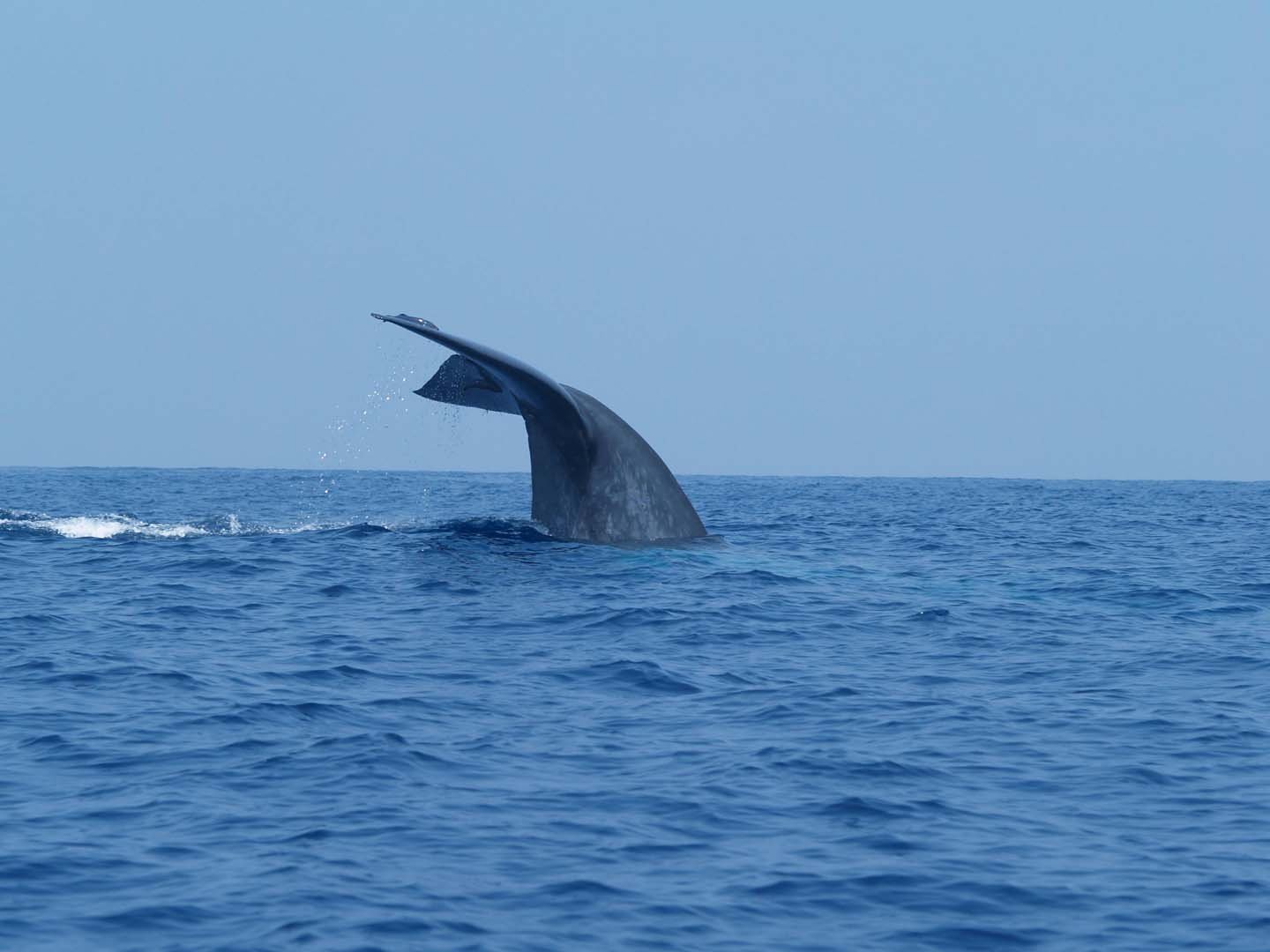
Ocean Equipment and Rentals
Surf equipment rental is readily available at all major surf beaches. Prices are reasonable, and you can rent by the hour or day. Most rental shops offer various board sizes to match your skill level. Surf lessons typically include board rental as part of the package.
For whale watching, boats provide any necessary equipment. Bring sunscreen, a hat, and water. Cameras with good zoom capabilities help capture whale photos, though sometimes just watching through your own eyes creates the most memorable experience.
Making the Most of Ocean Adventures
Both whale watching and surfing benefit from good timing and local knowledge. Understanding seasonal patterns, daily conditions, and which locations work best for your skill level makes the difference between average and exceptional experiences.
We organize ocean experiences that put you in the right place at the right time. Our whale watching trips use responsible operators who prioritize animal welfare. For surfing, we arrange lessons with qualified instructors at beaches matching your ability level. Whether you’re a complete beginner or experienced surfer, we create ocean adventures that balance excitement with safety. Contact us to plan your water-based experiences.