Sri Lanka has eight UNESCO World Heritage Sites packed into a relatively small island. Six are cultural sites preserving ancient civilizations and Buddhist heritage, while two recognize natural areas with exceptional biodiversity. These sites represent thousands of years of history and contain some of Asia’s most significant archaeological treasures.
Visiting these locations provides understanding of Sri Lanka’s past and present. Each site tells different stories about the island’s kingdoms, religious traditions, engineering achievements, and natural wonders. Many travelers plan their routes specifically to include these UNESCO-recognized places.
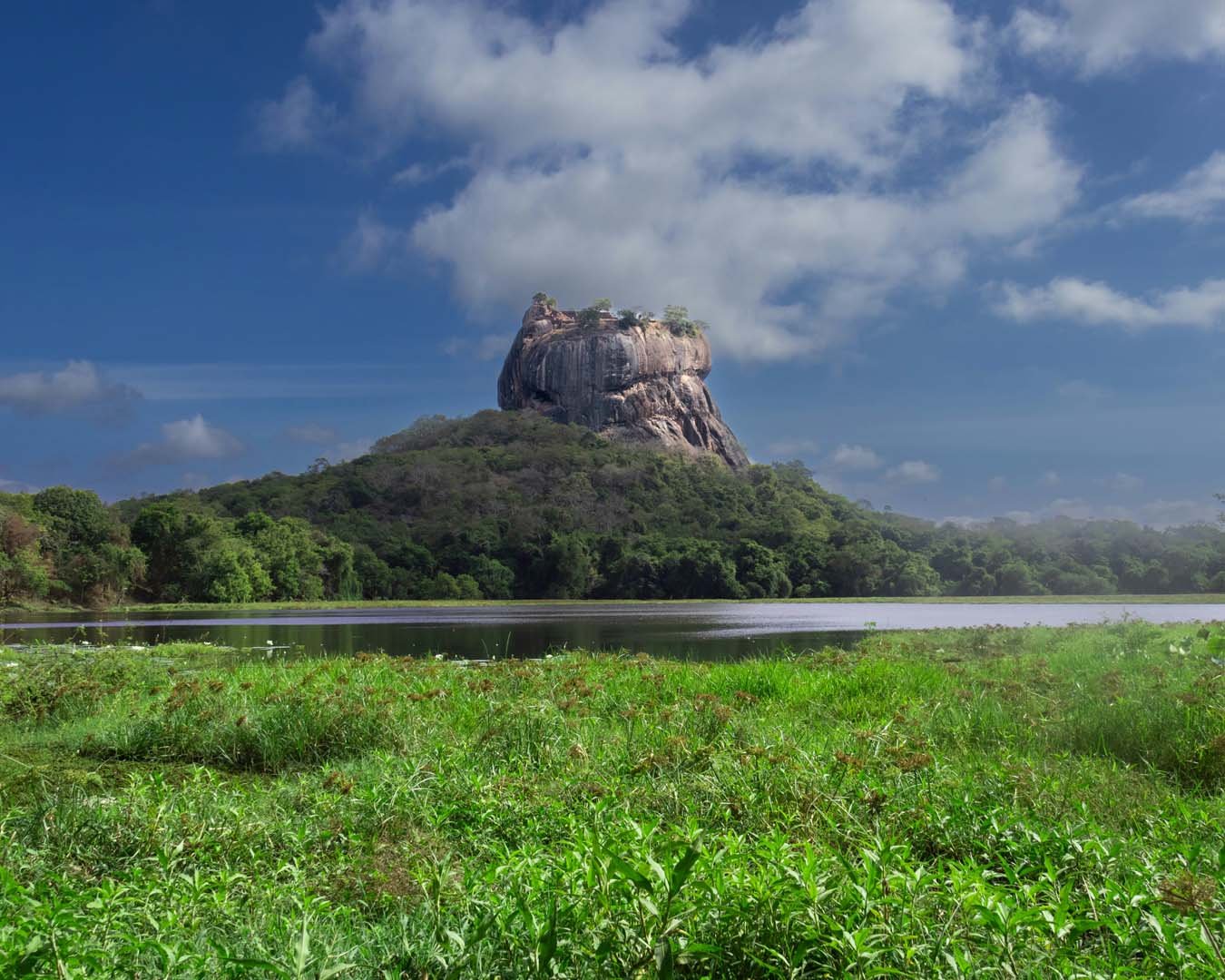
The Sacred City of Anuradhapura
Anuradhapura served as Sri Lanka’s capital for over 1,000 years, beginning in the 4th century BCE. This ancient city contains massive dagobas (Buddhist stupas), extensive monastery ruins, and sophisticated irrigation systems that demonstrate the advanced civilization that flourished here.
The Sri Maha Bodhi, a sacred fig tree grown from a cutting of the tree under which Buddha attained enlightenment, stands within the city. Planted in 288 BCE, it’s the oldest documented tree in the world, still drawing pilgrims who come to worship and meditate beneath its branches.
Several enormous dagobas dominate the landscape. Ruwanwelisaya, with its distinctive white dome, rises 103 meters high. Jetavanaramaya was once the third-tallest structure in the ancient world. Walking among these monuments gives perspective on the scale and ambition of ancient Sri Lankan architecture.
The site sprawls across a large area, so visiting requires several hours. Bicycle rental is popular for covering distances between major monuments. The sacred city remains an active pilgrimage destination, meaning you’ll see local devotees alongside tourists.
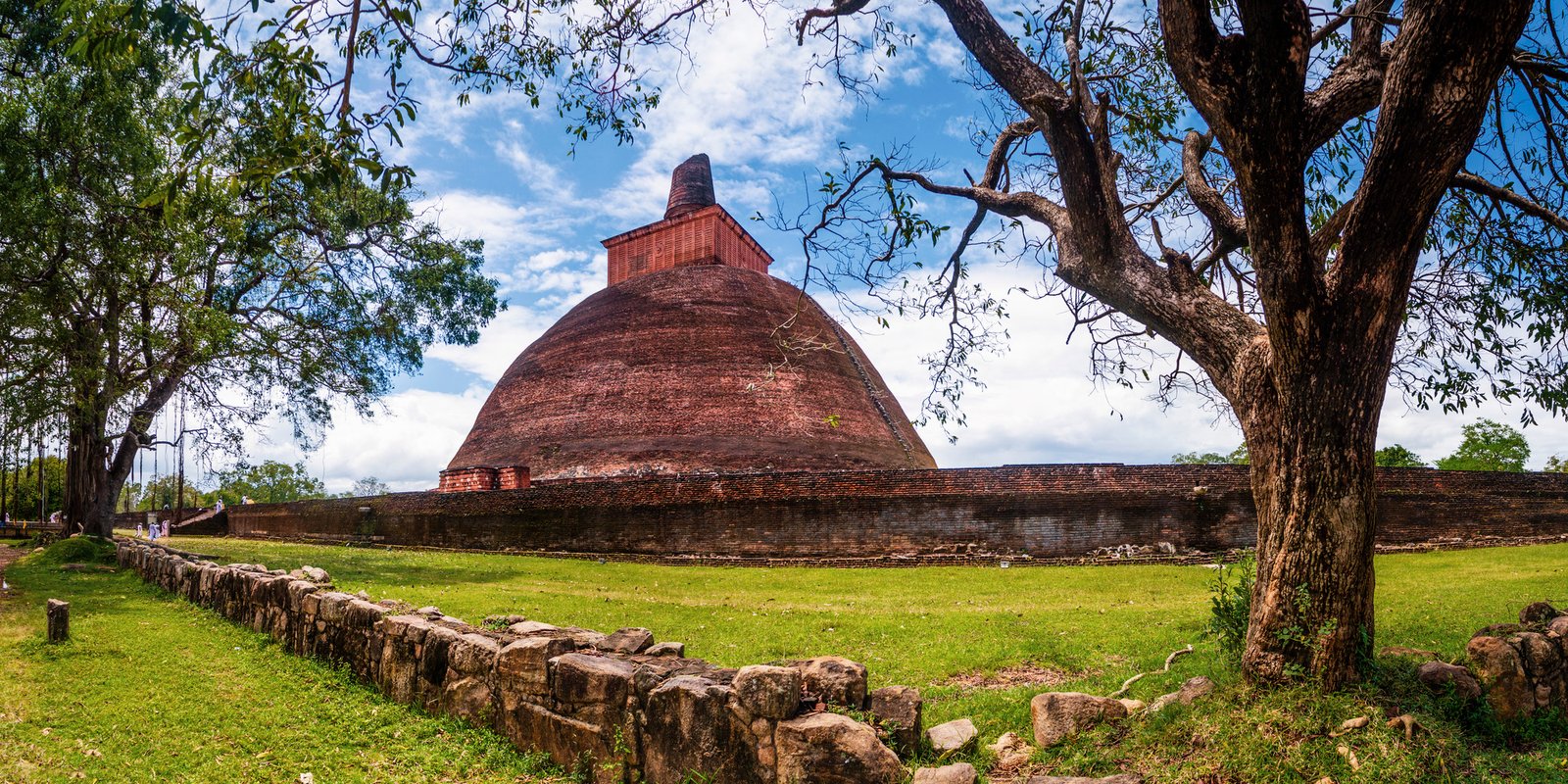
Ancient City of Polonnaruwa
Polonnaruwa became the capital after Anuradhapura’s decline in the 10th century CE. The city flourished for about 200 years, and today its ruins are better preserved and more compact than Anuradhapura, making it easier to explore thoroughly in a shorter time.
The Gal Vihara features four Buddha statues carved directly from granite rock, including a 14-meter-long reclining Buddha. The craftsmanship and serene expressions of these sculptures represent the peak of Sinhalese stone carving.
The Royal Palace complex shows the remains of King Parakramabahu’s seven-story residence. Though only the lower floors survive, the scale indicates the grandeur of medieval Sri Lankan royalty. The audience hall with its moonstone and guard stones demonstrates artistic detail in every element.
Parakrama Samudra, a massive reservoir built by King Parakramabahu, still irrigates fields today. This 2,400-hectare lake exemplifies the advanced hydraulic engineering that supported ancient Sri Lankan civilizations.
Sigiriya Rock Fortress
Sigiriya is Sri Lanka’s most iconic archaeological site, a massive rock rising 200 meters above surrounding plains. King Kashyapa built his palace atop this rock in the 5th century CE, creating one of history’s most ambitious architectural projects.
The climb involves ascending 1,200 steps, passing through landscaped gardens, water features, and halfway up, the famous frescoes depicting celestial maidens. These paintings, protected in a pocket of rock, retain vibrant colors after 1,500 years.
The Mirror Wall, once polished so smooth the king could see his reflection, now bears ancient graffiti written by visitors over a thousand years ago. At the top, the Lion’s Gate features massive stone lion paws that once formed the entrance to the palace.
Summit views extend across forests and farmland to distant mountains. The palace ruins demonstrate sophisticated urban planning with gardens, pools, and defensive features. Visiting early morning avoids crowds and heat, making the climb more pleasant.
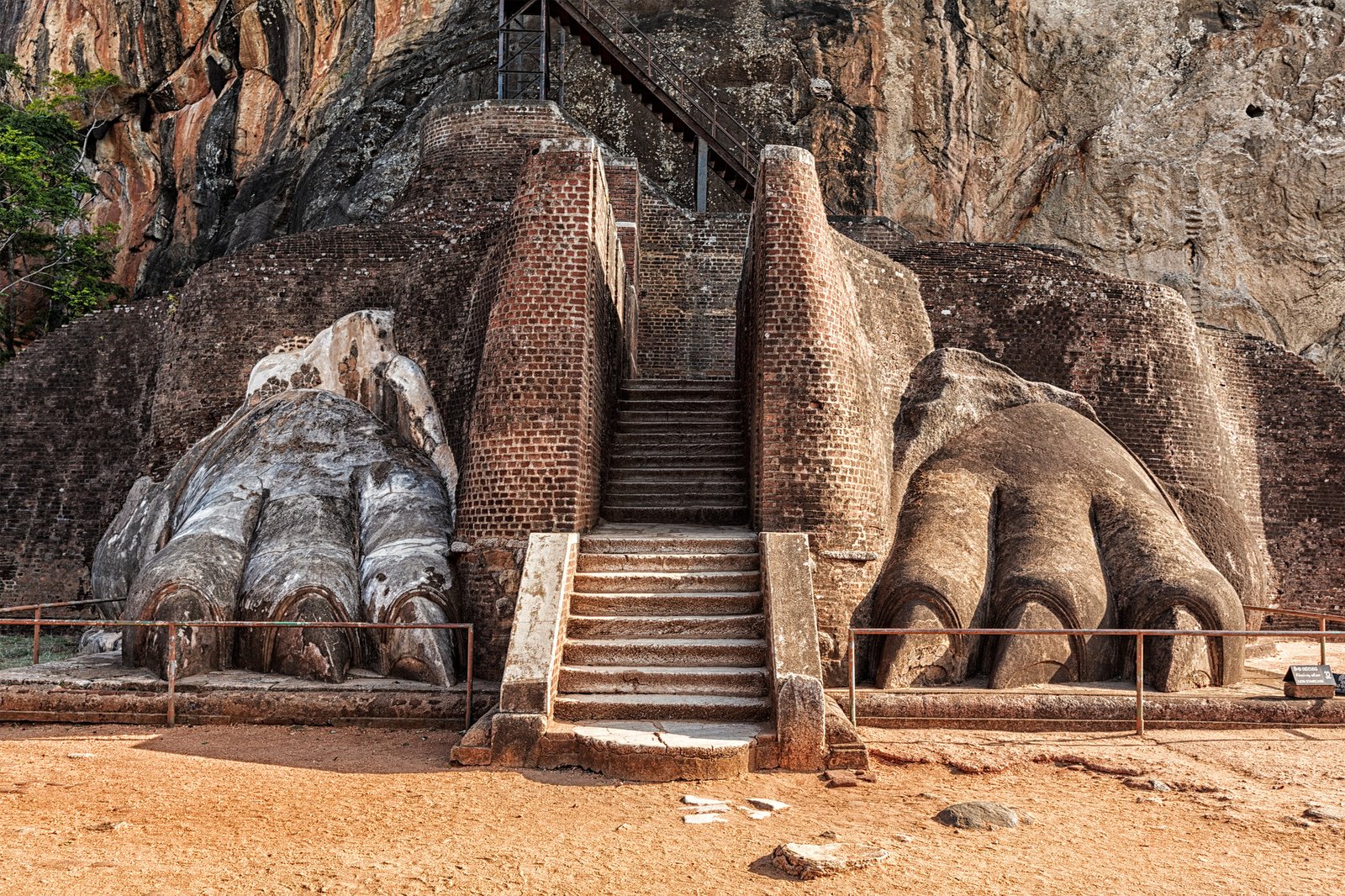
The Golden Temple of Dambulla
Dambulla’s cave temple complex dates back to the 1st century BCE. Five caves carved into a massive rock overhang contain 153 Buddha statues and extensive wall and ceiling paintings covering 2,100 square meters.
The largest cave, the Great New Monastery, holds 56 statues and paintings depicting Buddha’s life and Sinhalese historical events. The ceiling features intricate murals that have been repainted periodically over centuries, preserving this artistic tradition.
Unlike many archaeological sites, Dambulla remains an active temple with daily worship. Monks maintain the premises, and local devotees come to pray. This living heritage makes visiting feel less like a museum and more like witnessing ongoing religious practice.
The location on a hill provides views over surrounding countryside. The nearby Golden Buddha statue, while modern, marks the entrance and can be seen from far away.
The Old Town of Galle and its Fortifications
Galle Fort represents Sri Lanka’s colonial history rather than its ancient period. Built by Portuguese in 1588 and significantly expanded by Dutch colonizers in the 17th century, the fort remains remarkably intact.
The 36-hectare fort contains a complete walled town with churches, mosques, colonial buildings, and residential areas. Unlike many heritage sites that became museums, Galle Fort is a living community where people work, worship, and conduct daily life within the old walls.
Walking the fort walls provides views of the Indian Ocean crashing against ramparts. The lighthouse, clock tower, and various bastions mark important points around the perimeter. Inside the fort, colonial architecture mixes with modern cafes, shops, and homes.
The fort shows layers of history: pre-Portuguese trading port, Portuguese fortification, Dutch colonial administration, British modifications, and contemporary adaptive use. This layering makes Galle Fort unique among Asian fortifications.
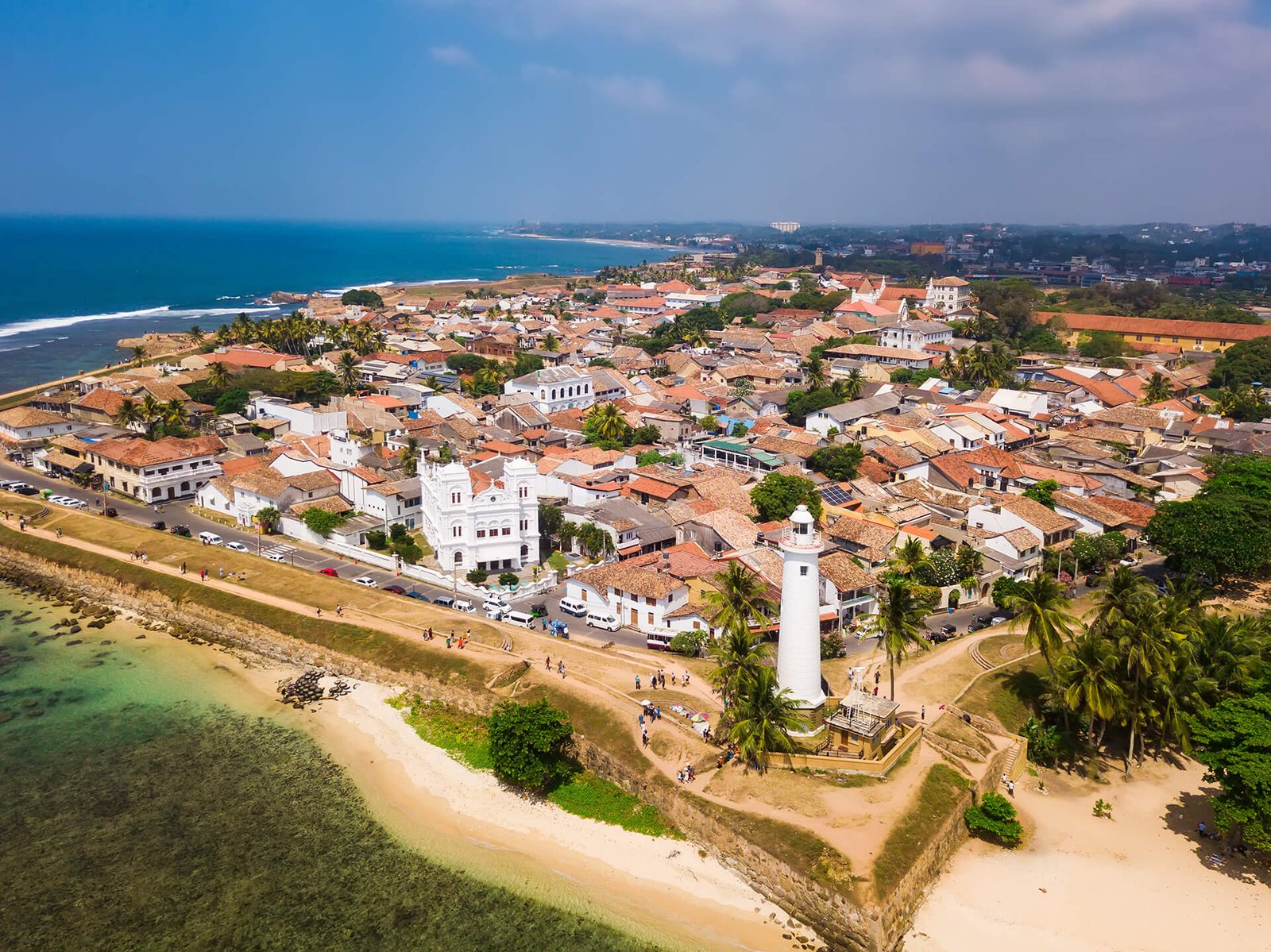
The Sacred City of Kandy
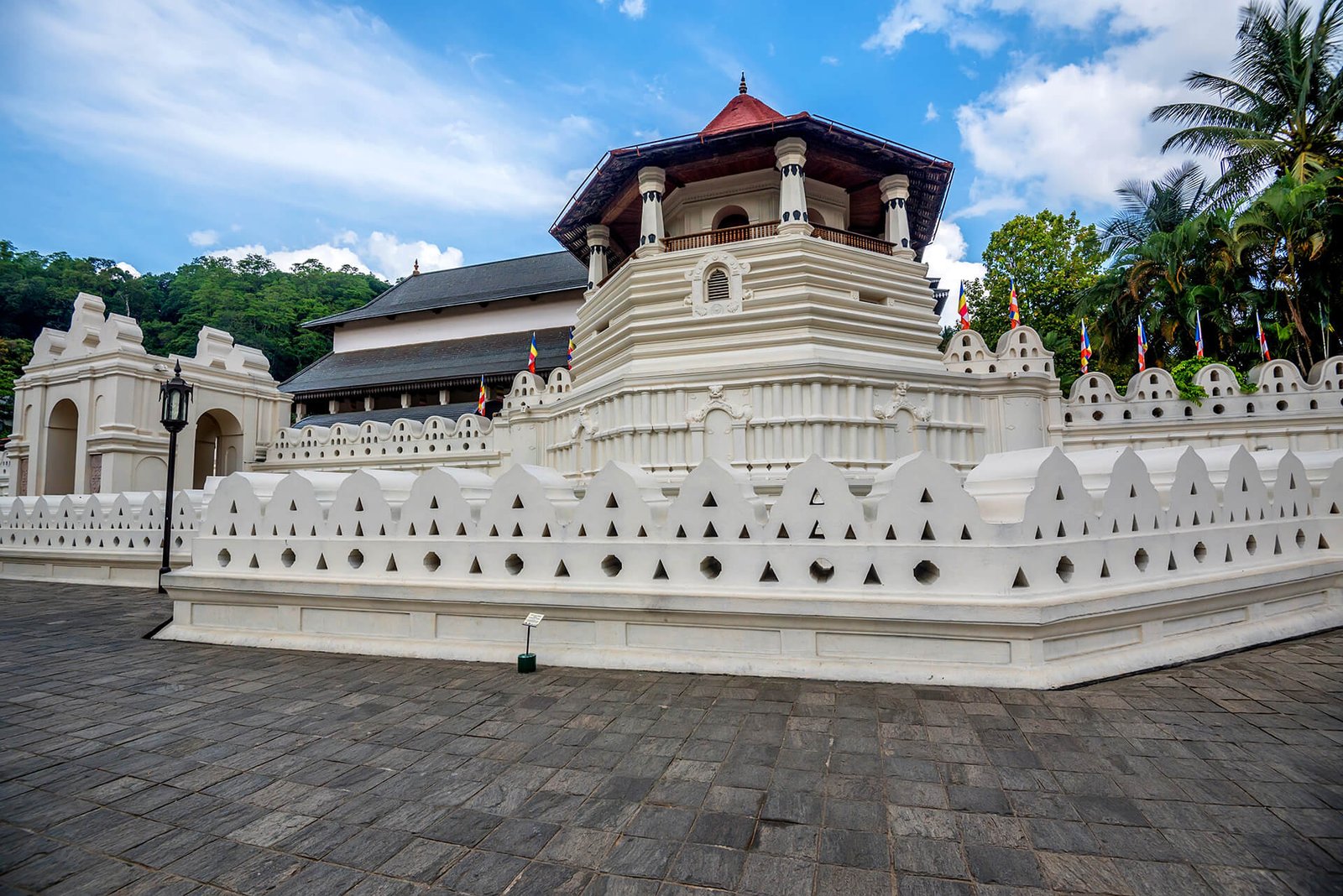
Kandy was the last capital of Sri Lankan kings before the entire country came under British control in 1815. The city centers on the Temple of the Sacred Tooth Relic, Buddhism’s most important shrine in Sri Lanka.
The tooth relic of Buddha is housed within several layers of jeweled caskets, though visitors cannot see the actual tooth. The temple complex includes shrines, libraries, and museums within its walls. Daily worship ceremonies (pujas) occur three times daily, accompanied by traditional drumming.
The artificial lake in front of the temple was created by the last king of Kandy in 1807. It adds to the city’s scenic beauty and plays into local legends. The surrounding hills create a natural amphitheater around the city.
The Kandy Esala Perahera, held annually in July or August, is one of Asia’s great religious processions. Ten days of pageantry feature decorated elephants, traditional dancers, and fire performers parading through the streets.
Sinharaja Forest Reserve
Sinharaja represents Sri Lanka’s natural heritage on the UNESCO list. This tropical rainforest is the island’s last viable primary rainforest, supporting exceptional biodiversity with many endemic species found nowhere else.
Over 60% of trees in Sinharaja are endemic, creating a unique forest ecosystem. The reserve hosts 20 endemic bird species, making it essential for bird watchers. Purple-faced langur monkeys, endemic reptiles, and countless insects add to the biological diversity.
Walking trails wind through the forest, ranging from short paths to full-day treks. Unlike safari parks where animals are expected, forest wildlife requires patience and often keen eyes to spot. Birds move through the canopy, while forest floor life includes colorful frogs and insects.
The reserve receives substantial rainfall, maintaining the rainforest environment. Expect leeches during wet periods and muddy trails year-round. This wilderness experience differs completely from the cultural heritage sites.
Central Highlands
The Central Highlands UNESCO site encompasses three protected areas: Horton Plains, Knuckles Range, and Peak Wilderness. This collective designation recognizes the region’s biodiversity and endemic species concentrated in mountain ecosystems.
Horton Plains provides easy access to highland environments with its walking trails across the plateau. World’s End viewpoint and Baker’s Falls are the main attractions, but the entire plateau represents a unique ecosystem.
The Knuckles Range offers more rugged terrain with numerous hiking options through largely undisturbed forest. Traditional villages within the range practice subsistence farming unchanged for generations.
Peak Wilderness protects the area around Adam’s Peak, combining natural forest with cultural significance as a pilgrimage site. The wilderness supports montane species adapted to cooler temperatures and high elevation.
Planning Your UNESCO Site Visits
Visiting all eight UNESCO sites requires careful planning as they spread across the island. Most travelers focus on cultural sites concentrated in the Cultural Triangle and central regions, which can be covered in 7-10 days.
The Cultural Triangle forms a rough triangle connecting Anuradhapura, Polonnaruwa, and Kandy, with Sigiriya and Dambulla in between. This concentration makes visiting multiple ancient sites logistically straightforward.
Galle Fort works well as a stop on the way to or from southern beaches. Sinharaja requires more effort to reach but rewards visitors interested in natural history. The Central Highlands can be incorporated into hill country visits.
Experiencing Cultural Heritage
These sites aren’t just monuments but windows into Sri Lankan identity. Ancient cities show the sophistication of early civilizations. The Sacred Tooth Temple reveals Buddhism’s continuing importance. Galle Fort demonstrates how colonial history shaped modern Sri Lanka.
Our cultural tours connect these UNESCO sites into coherent journeys that explain historical context and cultural significance. We arrange visits at optimal times, provide knowledgeable guides who bring ruins to life, and handle logistics so you can focus on experiencing these remarkable places. Contact us to explore Sri Lanka’s UNESCO World Heritage Sites.