Sri Lanka’s culture reflects thousands of years of civilization, Buddhist philosophy, colonial influences, and diverse ethnic traditions. Daily life incorporates religious practices, and annual festivals bring communities together in colorful celebrations. Understanding these cultural elements adds depth to any visit.
The island’s cultural landscape blends Buddhism with Hindu, Muslim, and Christian traditions. While Buddhism shapes the majority culture, religious diversity creates a complex tapestry of practices, holidays, and customs that coexist throughout the year.
Buddhist Heritage and Daily Life
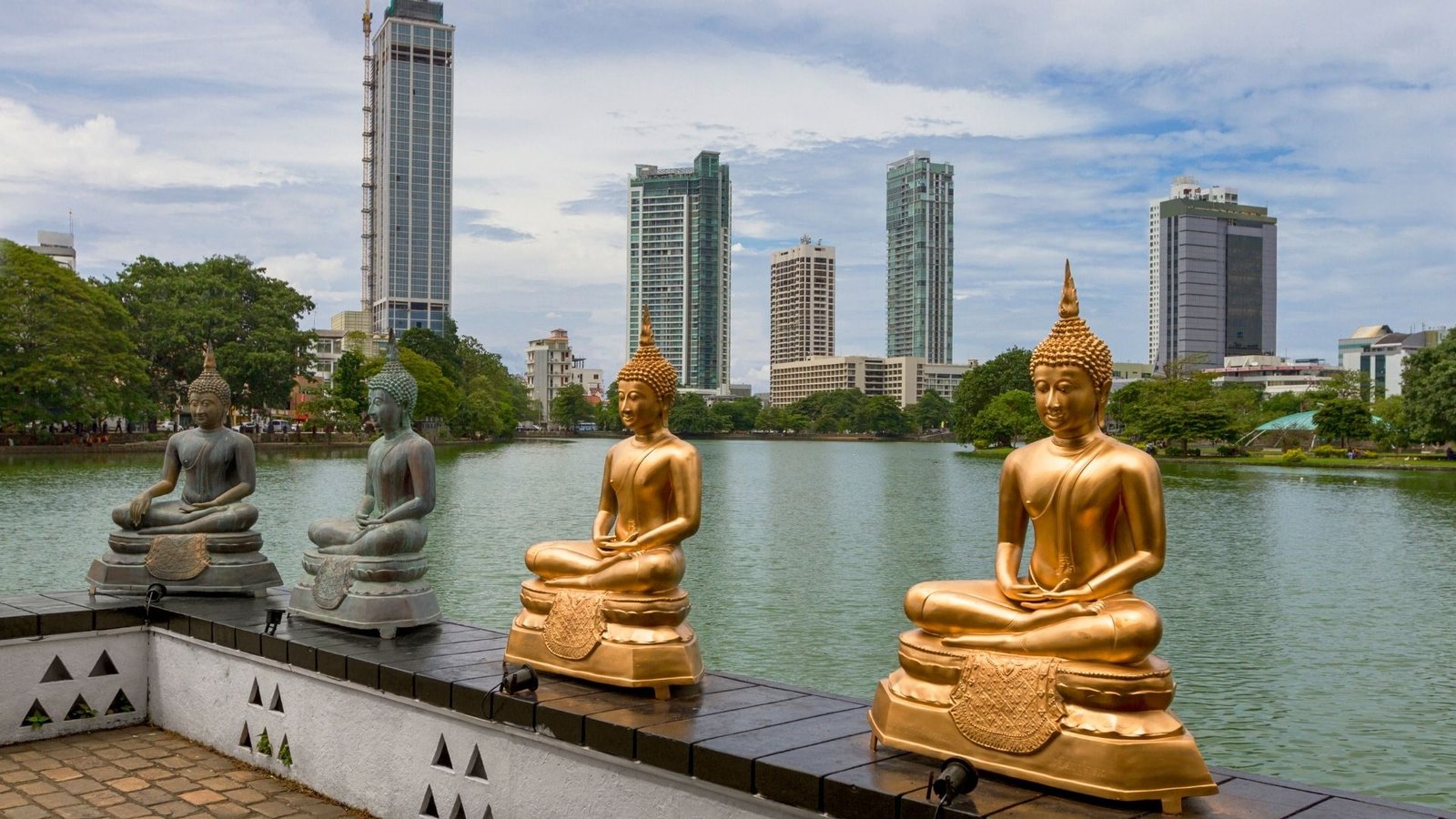
Buddhism arrived in Sri Lanka in the 3rd century BCE and has profoundly influenced the culture ever since. About 70% of Sri Lankans are Buddhist, and the religion permeates daily life beyond formal worship. Concepts like karma, compassion, and mindfulness appear in everyday conversations and decision-making.
Temples serve as community centers, not just places of worship. People visit temples regularly, bringing flowers, lighting oil lamps, and meditating. Full moon days (Poya days) are particularly important, with devotees spending extra time at temples.
Monks play respected roles in society, consulted not only for religious guidance but also for advice on personal matters. The morning almsgiving tradition, where monks walk through neighborhoods receiving food donations, continues in many areas.
Poya Days and Their Significance
Each full moon marks a Poya day, a public holiday when alcohol sales cease and many businesses close. These days commemorate significant events in Buddha’s life. Vesak Poya in May celebrates Buddha’s birth, enlightenment, and death—all believed to have occurred on the same calendar date in different years.
During Poya days, you’ll see increased temple activity, with families visiting together. Dansal, temporary food stalls offering free meals and drinks to passersby, appear along roadsides. This generosity reflects Buddhist concepts of dana (giving) and serves the community.
The Kandy Esala Perahera
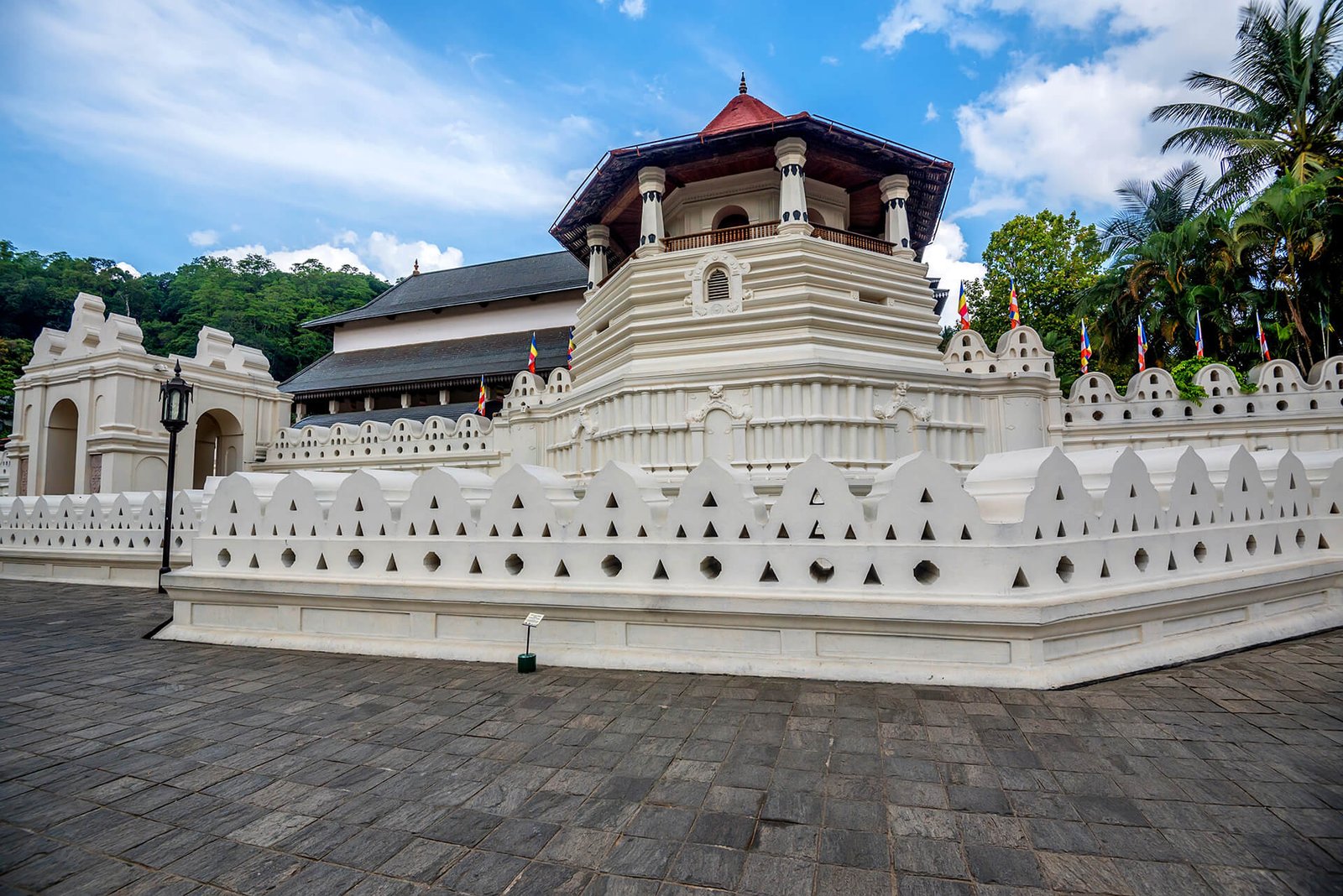
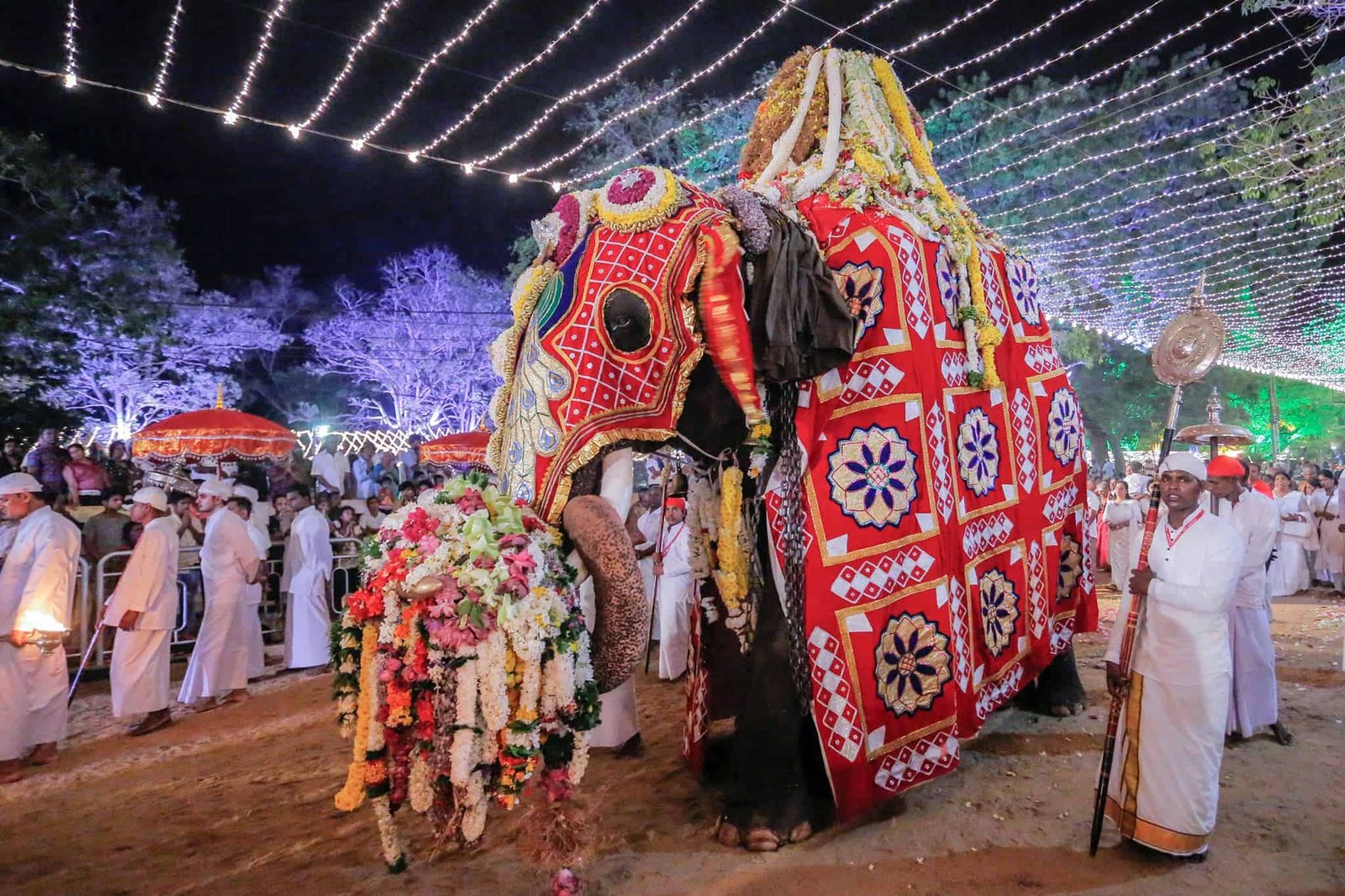
The Kandy Esala Perahera ranks among Asia’s grandest religious processions. Held annually in July or August over ten nights, the festival honors the Sacred Tooth Relic housed in Kandy’s temple. The procession grows larger each night, culminating in a magnificent final parade.
Decorated elephants draped in elaborate garments form the procession’s centerpiece, with the main elephant carrying a replica of the tooth relic casket. Traditional dancers, fire performers, flag bearers, and drummers accompany the elephants through Kandy’s streets.
The event requires months of preparation, with dance troupes rehearsing and elephants training. The spectacle attracts thousands of spectators, both local devotees and international visitors. Finding good viewing spots requires arriving early, as prime locations fill up hours before the procession begins.
Sinhala and Tamil New Year
In April, both Sinhala and Tamil communities celebrate their traditional New Year, based on the sun’s movement from the zodiac house of Pisces to Aries. This non-religious festival centers on family, tradition, and auspicious timings for various activities.
Celebrations include lighting the hearth at an auspicious time, preparing traditional foods like kavum and kokis, playing traditional games, and exchanging gifts. The neutral period between old and new year requires abstaining from work and important activities.
Homes are cleaned thoroughly, and people wear new clothes. Oil anointing ceremonies occur at specified times. Traditional games like pillow fighting on a log, pulling of the rope, and pot breaking entertain both children and adults.
Vesak Festival
Vesak commemorates Buddha’s birth, enlightenment, and death. Celebrations include decorating homes and streets with lanterns and lights. Elaborate pandals—decorative structures depicting Buddhist stories—appear in cities and towns.
Dansal reaches its peak during Vesak, with thousands of free food stalls operating. These range from simple tea and snacks to elaborate multi-course meals, all offered freely to anyone regardless of religion or background.
The festival emphasizes Buddhist virtues: giving, compassion, and reflection. Many people observe the eight precepts strictly during Vesak week, including vegetarianism, meditation, and abstaining from entertainment.
Hindu Festivals
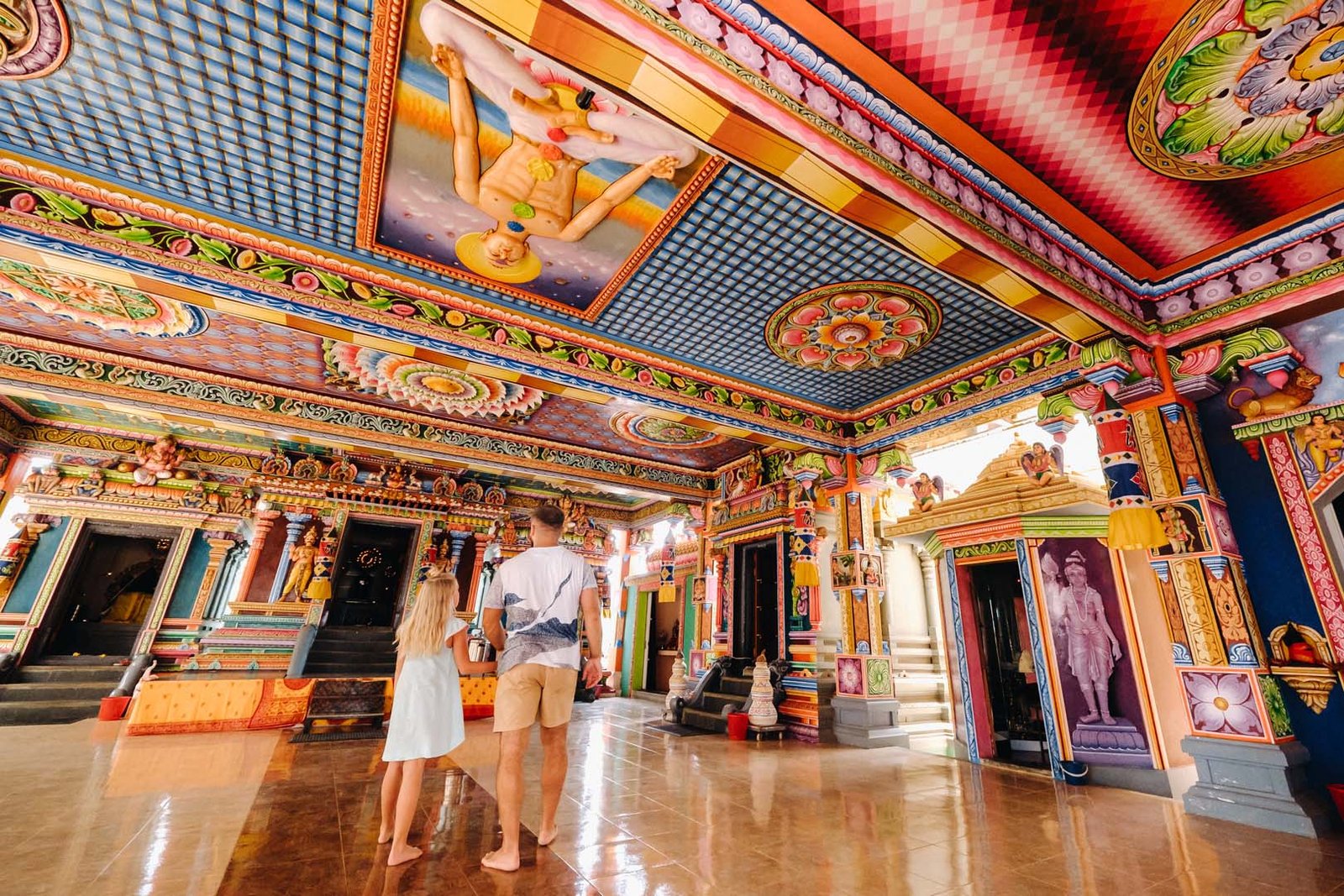
Hindu communities, primarily Tamil, celebrate various festivals throughout the year. Deepavali, the festival of lights, marks the victory of light over darkness. Homes are illuminated with oil lamps, families prepare traditional sweets, and temples hold special prayers.
Nallur Festival in Jaffna is one of the largest Hindu festivals, featuring 25 days of ceremonies and processions. Devotees perform kavadi, carrying ornate structures on their shoulders as acts of devotion.
Thai Pongal, the harvest festival, celebrates the new rice harvest. Families prepare pongal, a rice dish cooked in clay pots until it boils over, symbolizing abundance and prosperity.
Islamic and Christian Traditions
Muslim communities observe Ramadan with fasting and evening prayers. The breaking of fast (iftar) brings families together, and special markets sell traditional foods. Eid celebrations follow Ramadan with prayers, feasts, and visiting relatives.
Christian communities celebrate Christmas and Easter with church services and family gatherings. Coastal Catholic communities hold annual feast days honoring patron saints, combining religious observance with community celebrations.
Traditional Arts and Crafts
Traditional dance forms preserve ancient artistic traditions. Kandyan dancing, with its elaborate costumes and acrobatic movements, originated in the Kandy kingdom. Performances occur at cultural centers and during festivals.
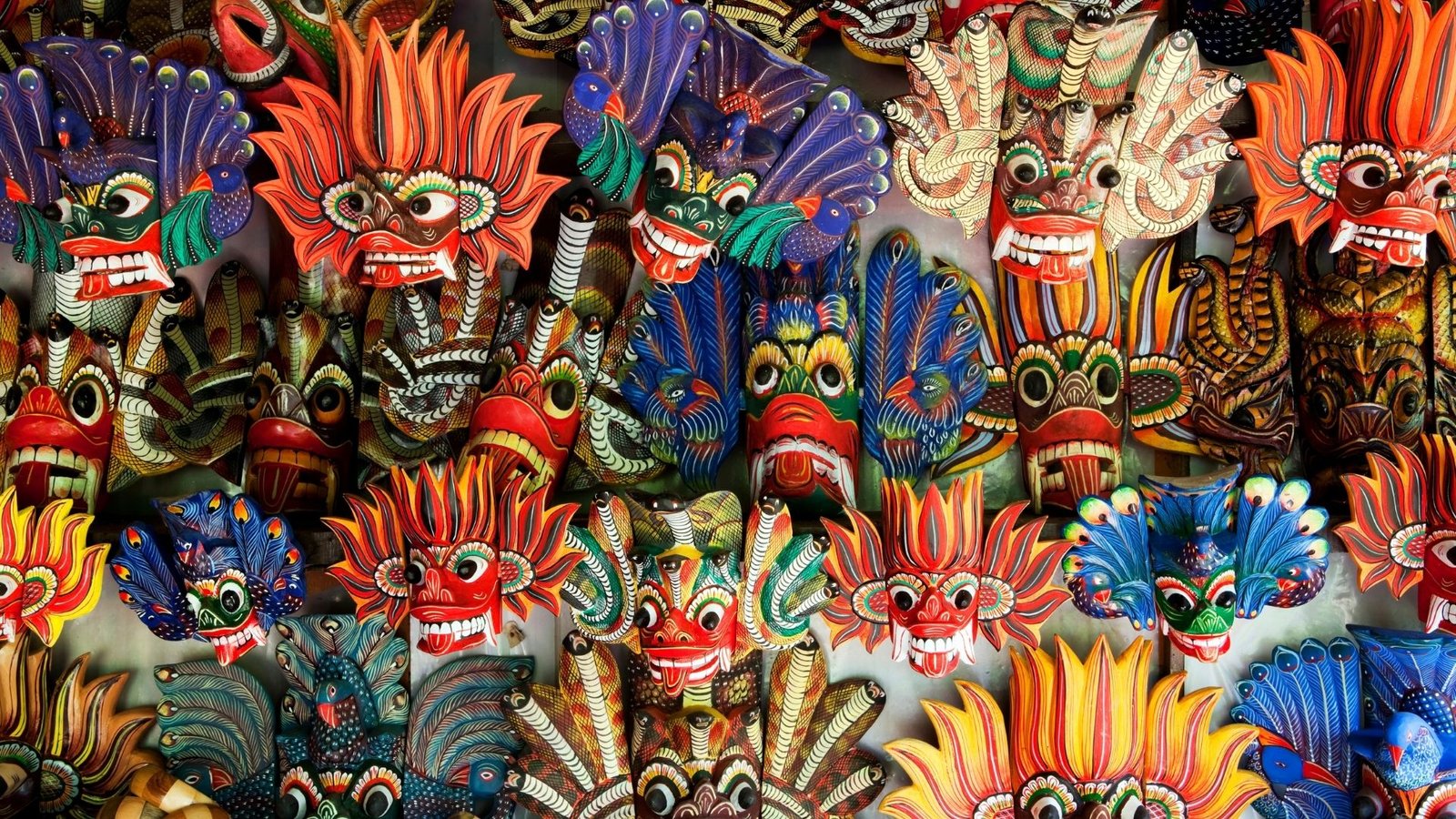
Devil dancing, or tovil, combines ritual healing with theatrical performance. These ceremonies aim to cure illness through elaborate masked dances and rituals that continue all night.
Traditional drumming accompanies most ceremonies and dances. Different drum types produce distinct sounds, with skilled drummers communicating complex rhythms that drive performances.
Craftsmanship and Heritage Skills
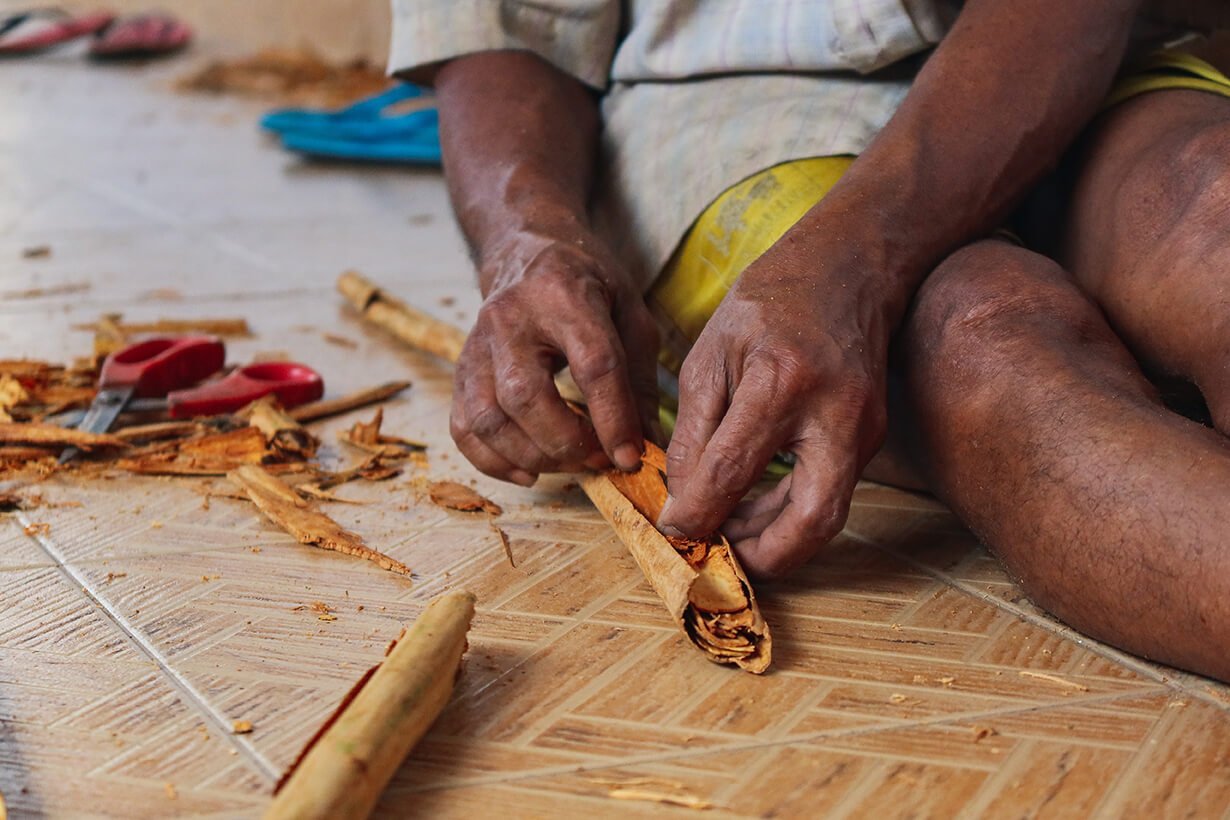
Traditional crafts continue in many areas. Brass work, particularly in Kandy, produces temple bells, lamps, and decorative items using techniques passed through generations. Wood carving decorates temples and creates masks for traditional performances.
Batik fabric making and handloom weaving survive as both crafts and industries. Lace making in coastal areas reflects Portuguese colonial influence, while maintaining its own Sri Lankan character.
These crafts aren’t just tourist attractions but living traditions where artisans continue practicing skills learned from parents and grandparents.
Daily Customs and Etiquette
Certain customs show respect in Sri Lankan culture. Removing shoes before entering homes and temples is universal. Modest dress is expected at religious sites, with shoulders and knees covered.
When visiting temples, never point feet toward Buddha statues, as feet are considered the lowest part of the body. Don’t pose for photos in front of Buddha images in ways that show disrespect.
The right hand is used for eating and giving objects, as the left hand is considered unclean. When giving or receiving something with one hand, support the elbow with the other hand as a sign of respect.
Food Culture and Hospitality
Sri Lankan hospitality is genuine, with visitors often invited to share meals even in modest homes. Refusing food can be seen as impolite, though you needn’t eat everything offered.
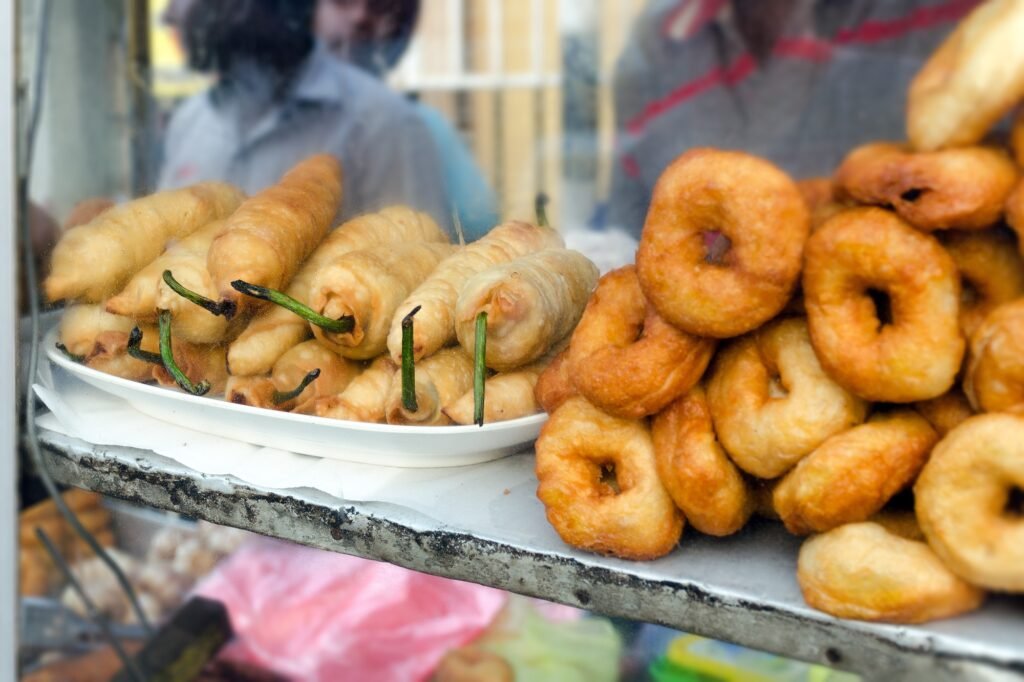
Traditional meals are eaten with hands, mixing rice with curries using fingers. While cutlery is available in restaurants, eating with hands is still common in homes. Rice and curry form the foundation of Sri Lankan cuisine, with multiple curry dishes accompanying rice at every meal.
Tea culture is strong, with tea offered to guests immediately upon arrival. The British colonial tea industry created a lasting tradition where tea drinking occurs throughout the day.
Religious Harmony
Despite periods of conflict, religious diversity generally coexists peacefully in daily life. Buddhist temples, Hindu kovils, mosques, and churches often stand near each other in towns. People from different religions attend each other’s celebrations and festivals.
This harmony appears in small ways: Hindu vendors at Buddhist temples, Muslim restaurants serving food during Hindu festivals, everyone enjoying Vesak lanterns regardless of religion. This cultural mixing is part of everyday life for most Sri Lankans.
Experiencing Culture Through Travel
Cultural understanding enriches travel beyond sightseeing. Witnessing a temple ceremony, experiencing a festival, or sharing a meal with locals provides insights that guidebooks cannot convey. Timing visits to coincide with festivals adds another dimension to the experience.
Our cultural tours are designed to help you understand Sri Lankan traditions, not just observe them. We arrange temple visits with knowledgeable guides who explain religious practices, time trips to include festivals when possible, and create opportunities for cultural exchange. Whether you’re interested in religious heritage, traditional arts, or local customs, we craft experiences that reveal the heart of Sri Lankan culture. Contact us to explore beyond the surface.