Sri Lanka’s central highlands offer excellent hiking opportunities. Mountain ranges, cloud forests, and tea-covered slopes create diverse trekking terrain. From sacred pilgrimage climbs to challenging ridge walks, the hill country has trails for different fitness levels and interests.
The cooler climate at higher elevations makes hiking comfortable compared to lowland heat. Views from mountain peaks stretch across valleys, tea plantations, and on clear days, all the way to the coast. Wildlife, waterfalls, and remote villages add to the appeal of mountain trekking here.
Adam’s Peak (Sri Pada)
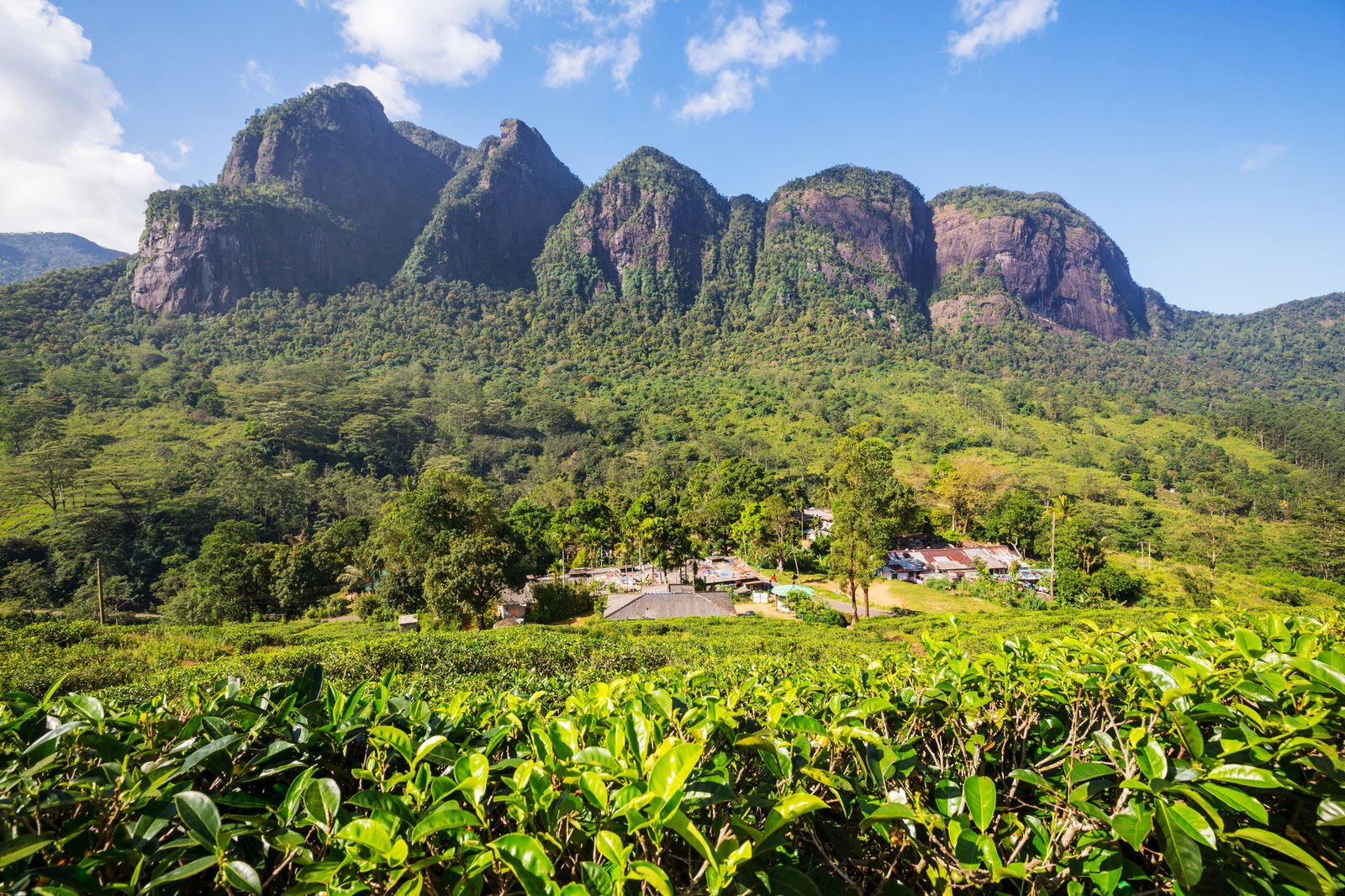
Adam’s Peak is Sri Lanka’s most sacred mountain, standing 2,243 meters tall. The summit holds a footprint-shaped depression that Buddhists believe belongs to Buddha, while other religions attribute it to Adam, Shiva, or St. Thomas. This religious significance makes the climb a pilgrimage for many locals.
The hike starts in darkness, with climbers aiming to reach the summit for sunrise. The path consists of over 5,000 steps built into the mountainside. Pilgrimage season runs from December to May when the route is well-lit and tea stalls operate along the way.
The climb takes 3-4 hours going up, with the steep final sections being the most challenging. At the summit, sunrise illuminates a triangular shadow cast by the peak itself, a phenomenon visible only from this mountain. The descent takes about 2 hours.
Horton Plains and World’s End
Horton Plains is a high-altitude plateau at 2,100 meters, forming Sri Lanka’s highest national park. The main hiking trail is a 9-kilometer loop that takes you to World’s End, a dramatic cliff dropping 880 meters straight down. On clear mornings, you can see the southern coast from this viewpoint.
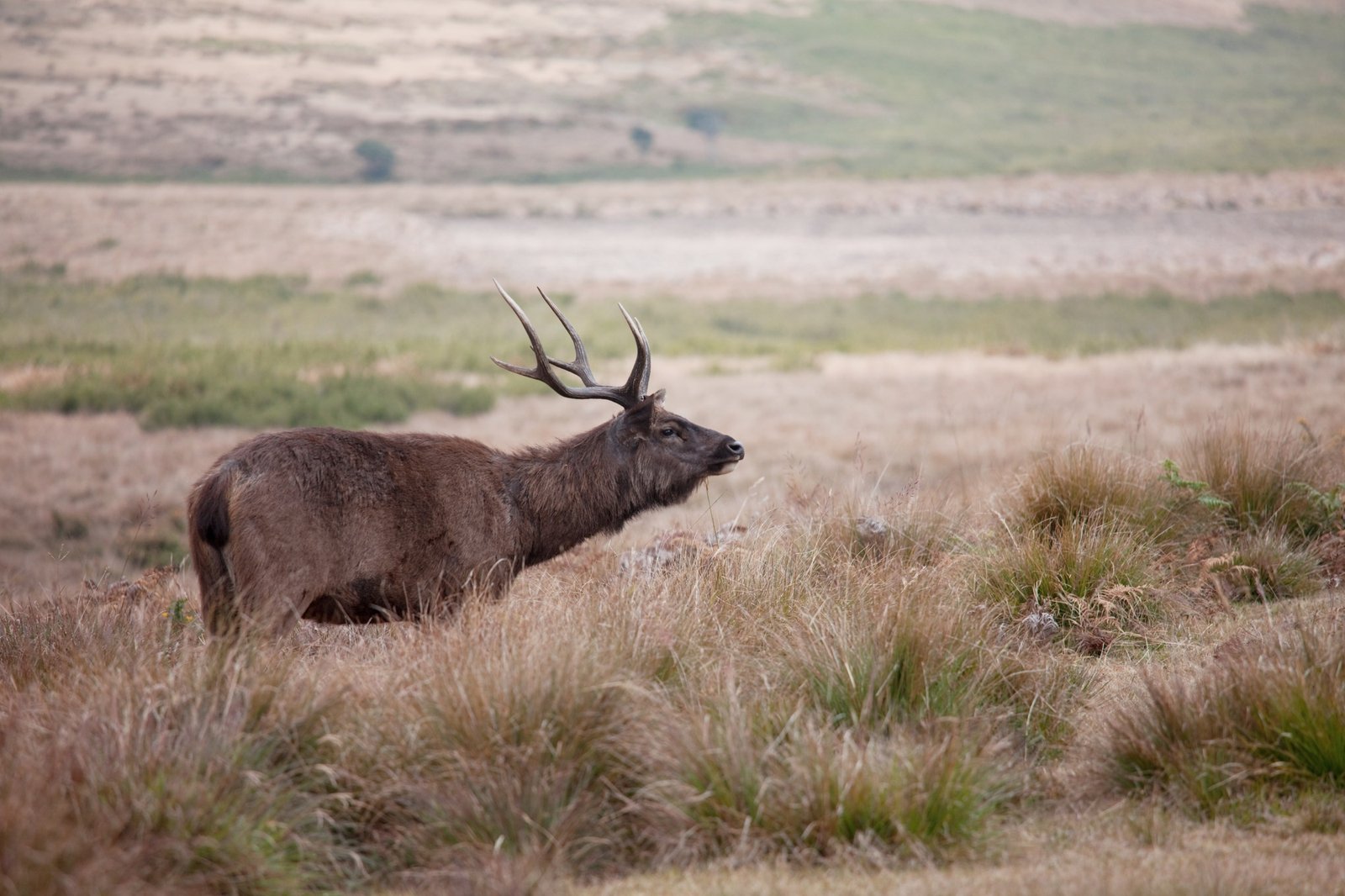
The trail also passes Baker’s Falls, a picturesque waterfall surrounded by forest. The plateau’s grasslands and cloud forests support unique wildlife including sambar deer and endemic birds. The landscape feels different from tropical lowlands, with montane vegetation and cool temperatures.
Morning hikes work best, as clouds typically roll in by late morning, obscuring views from World’s End. The walking is moderate, on well-maintained paths across relatively flat terrain until you reach the cliff edge.
Knuckles Mountain Range
The Knuckles Range takes its name from peaks resembling a clenched fist. This UNESCO World Heritage Site covers about 155 square kilometers of rugged terrain with numerous hiking trails of varying difficulty. The area receives less tourism than other hill country destinations, offering more wilderness experience.
Multiple villages dot the valleys, where traditional farming continues unchanged for generations. Trails pass through these settlements, offering glimpses of rural mountain life. The range supports rich biodiversity, with many endemic plant and animal species.
Popular hikes include the Mini World’s End trail, Nitro Caves trek, and multi-day camping expeditions for experienced hikers. Terrain varies from forest paths to steep climbs and ridge walks with exposed sections.
Ella Rock
Ella Rock rises above the small town of Ella in the central highlands. The hike to the summit takes about 2 hours each way, following railway tracks initially before branching onto mountain paths through tea plantations and forest patches.
The trail isn’t difficult but involves steady climbing. Views from the top encompass Ella Gap, surrounding valleys, and distant peaks. Early morning hikes avoid midday heat and often provide clearer visibility before clouds move in.
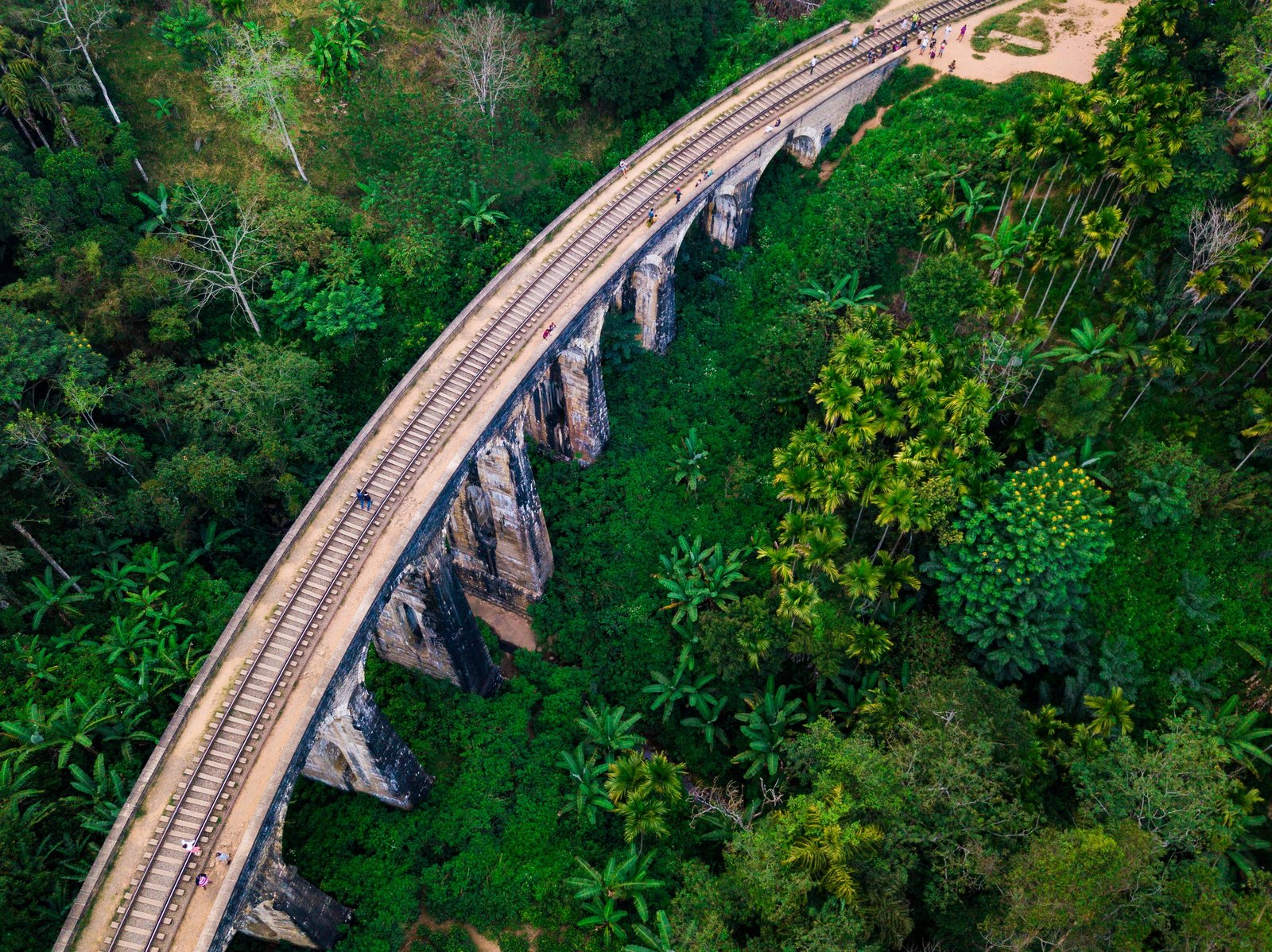
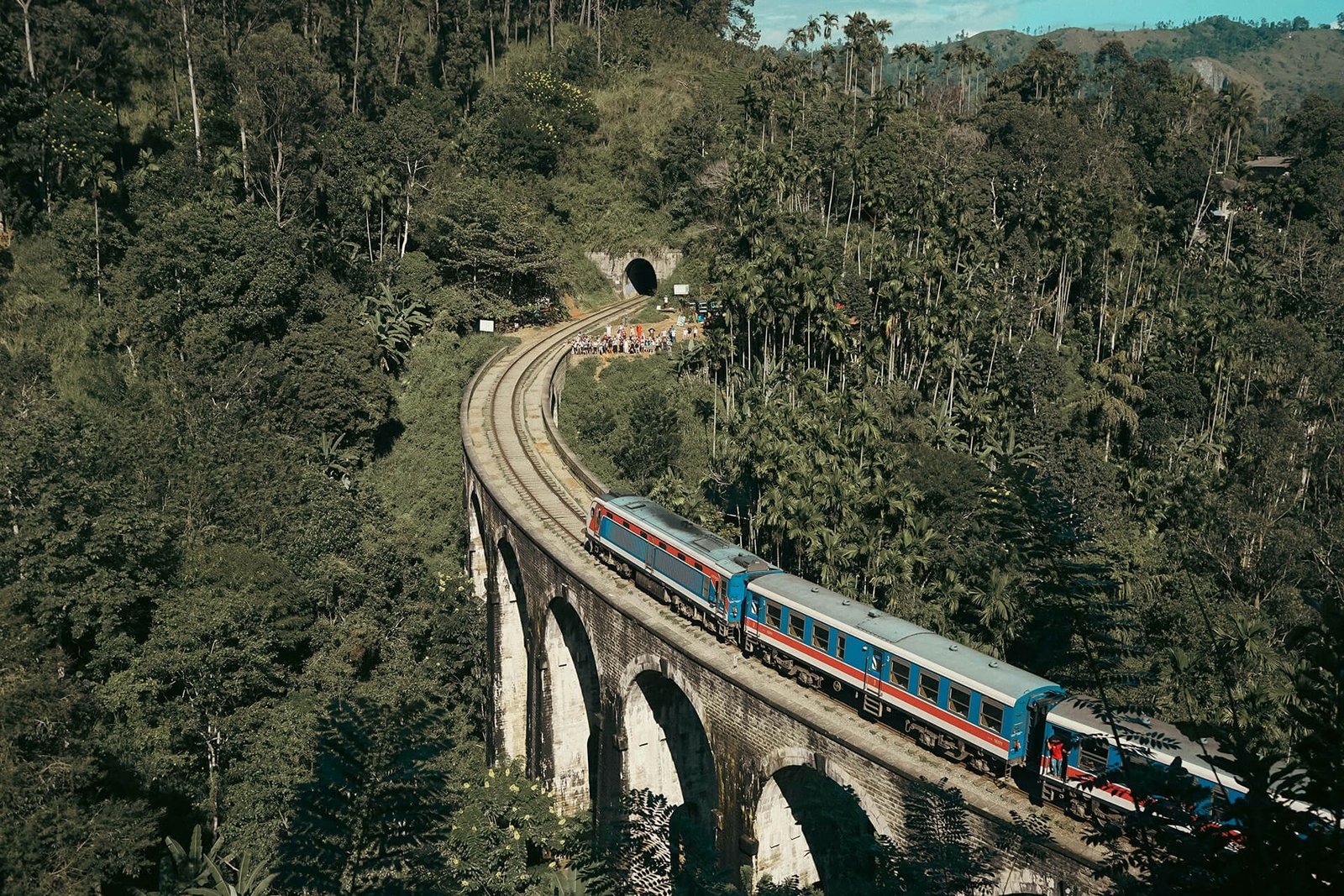
Starting from Ella, you can combine this hike with visits to other nearby attractions like Little Adam’s Peak, Nine Arch Bridge, and tea factories, making Ella an excellent base for several days of exploration.
Little Adam’s Peak
Despite its name, Little Adam’s Peak is completely separate from Adam’s Peak. This smaller mountain near Ella offers an easier hike suitable for most fitness levels. The trail is well-defined, taking about 45 minutes to reach the top.
The path winds through tea estates, and the summit provides 360-degree views of the surrounding landscape. It’s an ideal introduction to hill country hiking, offering rewarding views without the physical demands of longer treks.
Pidurangala Rock
Pidurangala sits next to the famous Sigiriya Rock and offers an alternative climbing experience. While less developed than Sigiriya, the climb involves scrambling over boulders in the final section, adding adventure to the hike.
An ancient monastery sits partway up, with a large reclining Buddha statue carved into the rock. The summit provides magnificent views of Sigiriya Rock itself from across the valley, actually offering better photo opportunities of the famous landmark than climbing it provides.
The climb takes about 30-40 minutes. Though shorter than other hikes, the rocky scramble requires some agility. Early morning climbs for sunrise are popular, as temperatures are cooler and lighting is ideal for photography.
Riverston Peak
Riverston Peak in the Knuckles Range offers spectacular scenery with less tourist traffic. The area features several viewpoints including the main Riverston Peak and the Pitawala Pathana grassland, known as “Mini World’s End.”
The peak provides views across mountain ranges stretching to the horizon. On clear days, you might see all the way to the eastern coast. The grassland creates an unusual landscape at this altitude, contrasting with the surrounding forests.
Access requires traveling on rough roads, but this remoteness preserves the area’s natural beauty. The walking itself is moderate, with short trails connecting various viewpoints.
Best Hiking Season
Sri Lanka’s mountains experience different weather than the lowlands. December to April generally offers the best hiking conditions, with less rain and clearer visibility. However, the southwest monsoon affects the central highlands from May to September, bringing afternoon rains.
For Adam’s Peak, the official pilgrimage season from December to May is when the route is maintained and facilities operate. Outside this period, the climb is still possible but less convenient. Morning hikes work best year-round, as clouds and rain typically develop by afternoon at higher elevations.
What to Expect on Mountain Trails
Trail conditions vary significantly. Popular routes like Horton Plains have well-maintained paths, while others in the Knuckles require navigation skills and sometimes guides. Weather can change quickly in the mountains, with temperature drops and sudden rain even during dry seasons.
Wildlife encounters are possible on most trails. Watch for endemic birds, monkeys, and occasionally deer. Some trails pass through leech territory, especially during wet periods. Proper footwear and clothing make hiking more comfortable.
Physical Preparation
Most Sri Lankan mountain hikes don’t require technical climbing skills, but reasonable fitness helps. Altitude shouldn’t cause serious problems, as even the highest peaks stay under 2,500 meters. However, steep sections and long climbs like Adam’s Peak demand stamina.
Starting with easier hikes like Little Adam’s Peak or World’s End helps gauge your comfort level before attempting longer treks. Stay hydrated, pace yourself, and don’t hesitate to take breaks as needed.
Planning Your Hiking Experience
The central highlands are compact enough to base yourself in one location and take day trips to different mountains. Ella serves as an excellent hiking base, with access to several trails. Nuwara Eliya works well for Horton Plains and other nearby areas.
We organize mountain hiking experiences that match your fitness level and interests. Our guides know the best routes, optimal timing for different peaks, and how to handle weather considerations. From sacred Adam’s Peak to remote Knuckles trails, we ensure you experience Sri Lanka’s mountain beauty safely and memorably. Contact us to plan your hiking adventure.