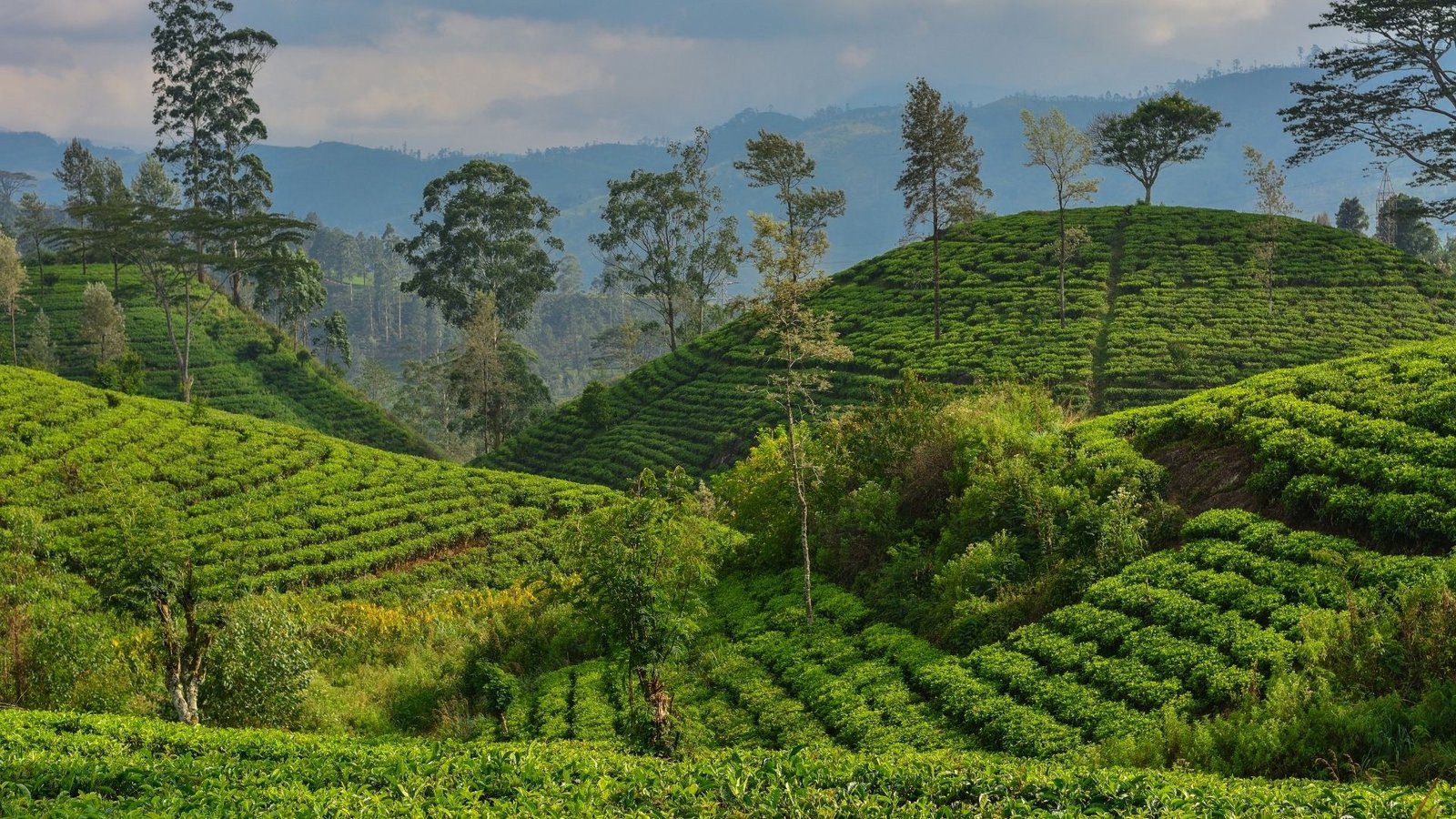
Sri Lanka’s central highlands are covered with tea plantations creating a landscape unique to this region. Neat rows of tea bushes blanket hillsides in various shades of green, with workers picking leaves by hand just as they have for over 150 years. This is Ceylon tea country, producing some of the world’s finest tea.
The hill country around Nuwara Eliya, Ella, and Haputale forms the heart of tea cultivation. Cool temperatures, regular rainfall, and high elevation create ideal growing conditions. Beyond the agricultural aspects, tea country offers stunning scenery, colonial heritage, and insight into an industry that shapes Sri Lankan identity and economy.
Where is Sri Lanka’s Tea Country
Tea plantations concentrate in the central highlands between roughly 1,000 and 2,500 meters elevation. The main tea-growing districts include Nuwara Eliya, Dimbula, Uva, Kandy, and Uda Pussellawa. Each district produces tea with slightly different characteristics based on elevation, rainfall, and soil conditions.
Nuwara Eliya sits at the highest elevation and is surrounded by the most extensive tea estates. The town itself, at 1,900 meters, served as a British colonial retreat and retains much colonial architecture. Ella and Haputale, though smaller, offer equally impressive tea plantation views with more relaxed atmospheres.
History of Ceylon Tea
Sri Lanka wasn’t always tea country. Coffee plantations covered these hills until the 1860s when a leaf disease destroyed the coffee industry. Scottish planter James Taylor planted the first tea estate in 1867 near Kandy, beginning the transformation that would define the highlands.
By the 1890s, tea had completely replaced coffee. British planters established vast estates worked by Tamil laborers brought from South India. This history shaped the region’s demographics and culture, with Tamil estate communities forming distinct cultural presence in predominantly Sinhalese areas.
The industry continues today under Sri Lankan ownership, with both large estates and small-holder producers. Ceylon tea is globally recognized, with elevation classifications (low-grown, medium-grown, high-grown) indicating different flavor profiles.
Tea Plantation Visits
Numerous tea factories offer tours explaining the production process from picking to packaging. Pedro Tea Estate, Mackwoods Labookellie, and Damro Labookellie are popular choices with established visitor programs.
Tours typically begin with factory walkthroughs showing withering, rolling, fermenting, drying, and sorting processes. The machinery, much of it decades old, still functions perfectly. The distinctive smell of fermenting tea leaves pervades factory interiors.
After the factory tour, you’ll visit the tasting room where different tea grades are explained and sampled. The differences between tea qualities become apparent when tasting them side by side. Most estates have shops selling their tea at factory prices, lower than retail rates elsewhere.
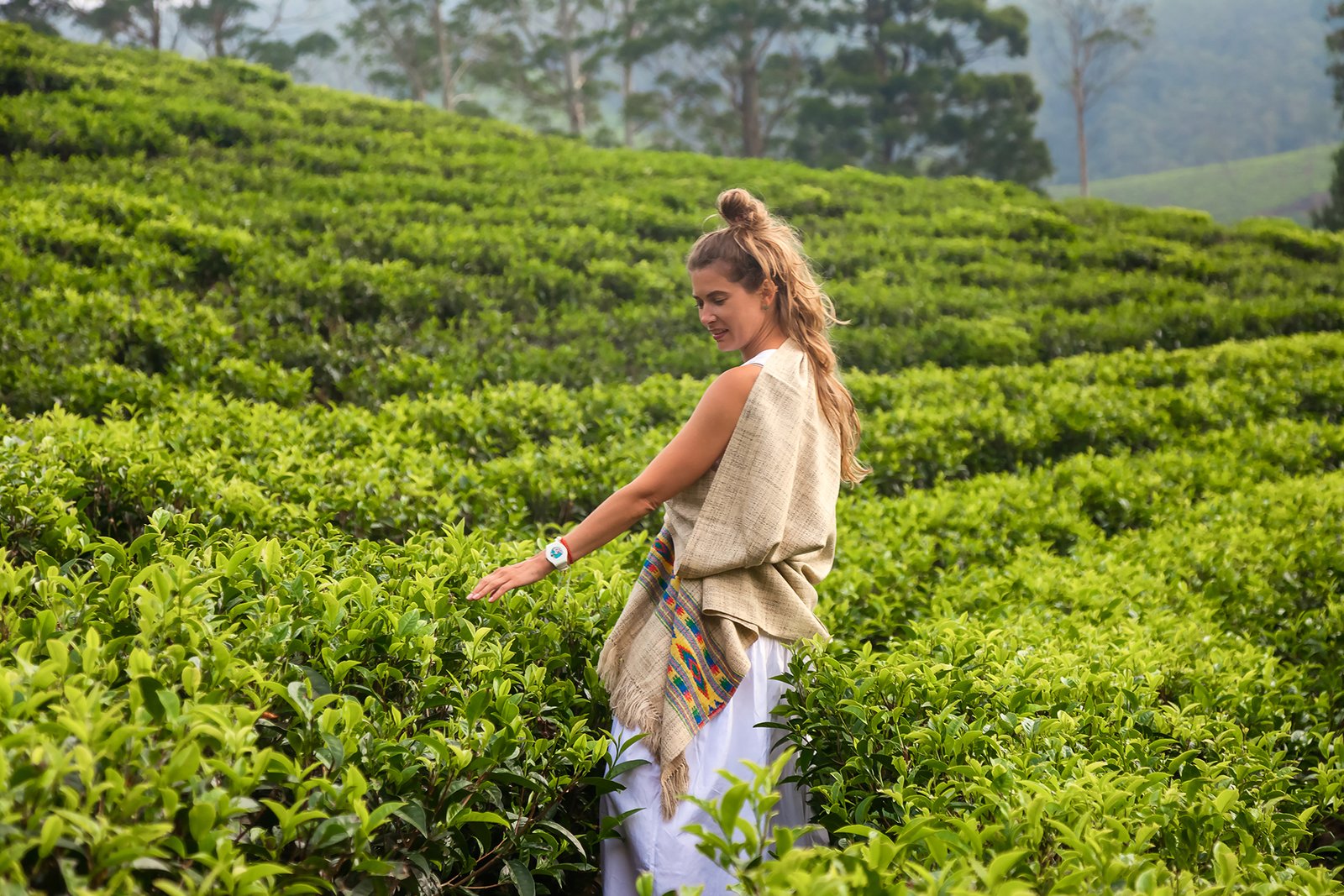
Watching tea pickers work in the fields reveals the skill required. Pickers must select only the newest shoots—two leaves and a bud—leaving the rest of the plant to grow. Experienced pickers can harvest 15-20 kilograms daily, moving quickly through the bushes despite steep terrain.
Nuwara Eliya
Nuwara Eliya was the British colonials’ escape from lowland heat. The town retains colonial character with old buildings, a golf course, and manicured gardens. The climate feels almost English—cool, misty, and sometimes requiring sweaters even in tropical Sri Lanka.
Victoria Park in the town center showcases English-style landscaping with flower beds and maintained lawns. During April, flowers bloom extensively, coinciding with the Sinhala and Tamil New Year season when local tourists flood the town.
Gregory Lake offers boating and walking paths. The area around the lake has been developed with restaurants and entertainment, making it family-friendly though somewhat commercial.
Nuwara Eliya works as a base for visiting surrounding tea estates, waterfalls, and Horton Plains National Park. The town itself is worth exploring for colonial architecture and the contrast of this temperate climate within tropical Sri Lanka.
Ella
Ella has become extremely popular with travelers, particularly backpackers, due to its dramatic scenery and relaxed atmosphere. The small town sits in a gap between mountains, with views across valleys to distant peaks.
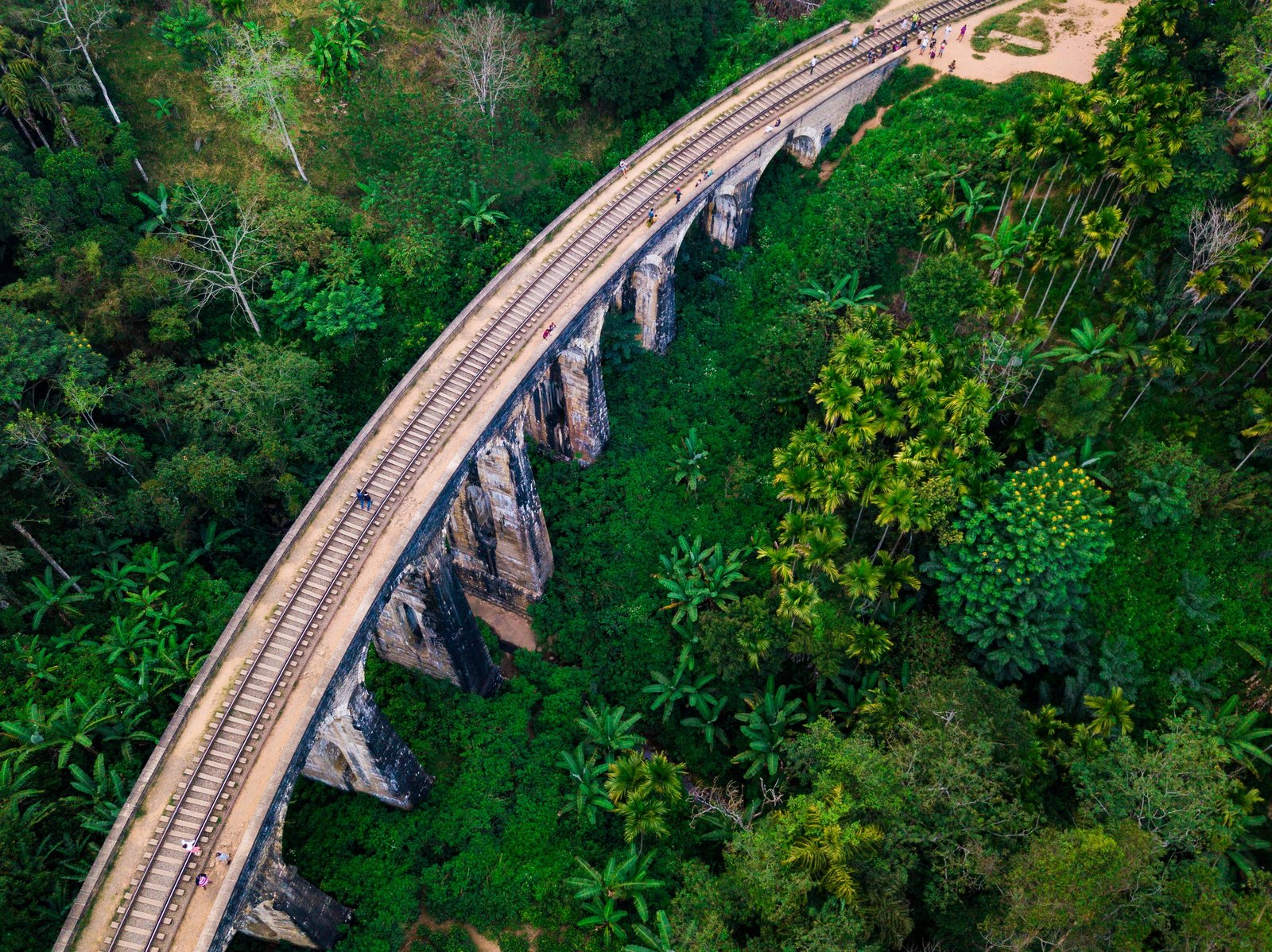
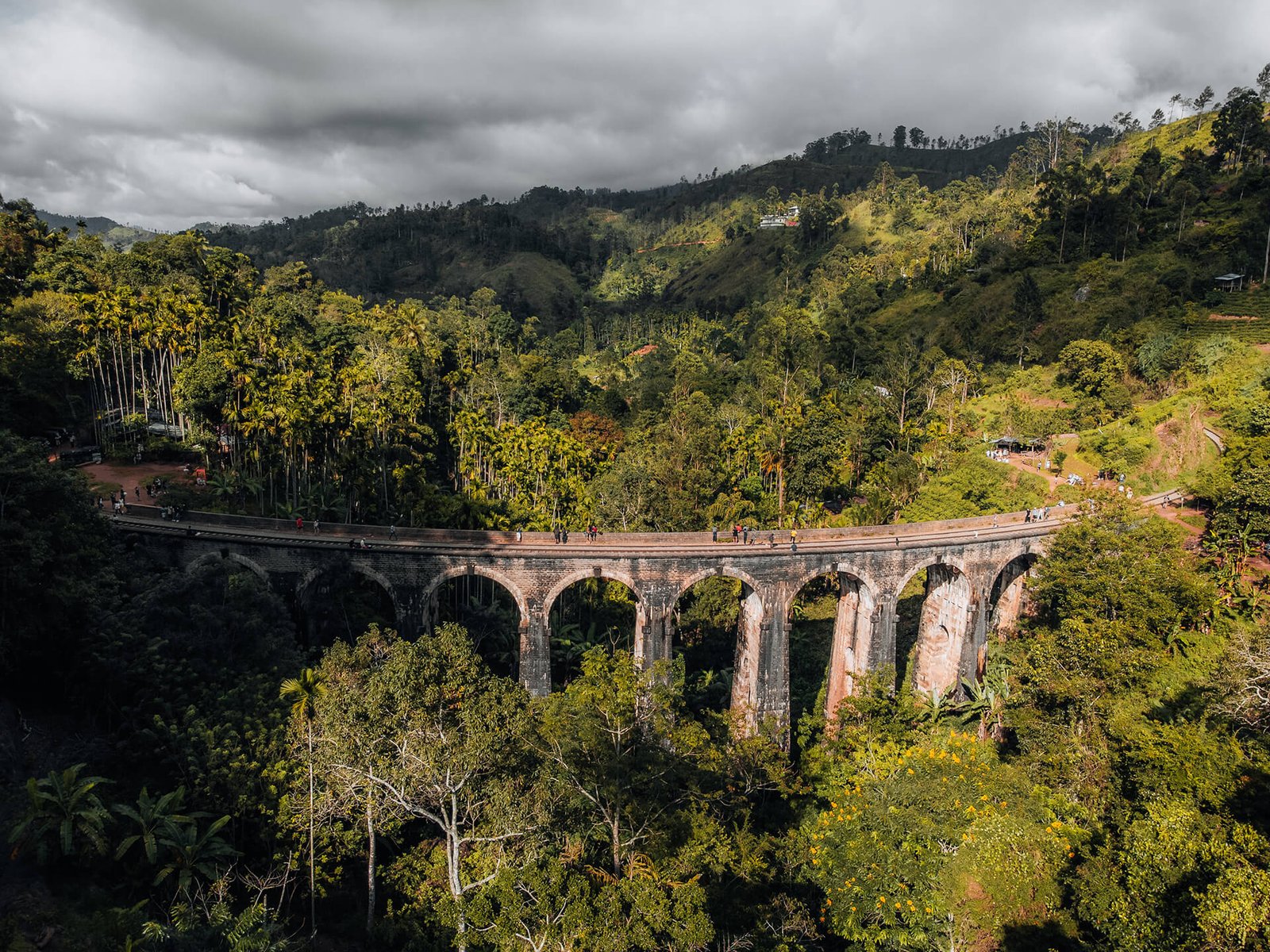
Ella Rock and Little Adam’s Peak offer hikes through tea plantations with rewarding summit views. The Nine Arch Bridge, a colonial-era railway viaduct built entirely of stone and brick, stands as an architectural achievement and popular photo spot.
The train journey from Kandy to Ella is considered one of the world’s most scenic rail trips. The track winds through tea plantations, past waterfalls, and along cliff edges with frequent spectacular views. Riding between Kandy and Ella has become essential for many visitors to Sri Lanka.
Haputale
Haputale receives fewer tourists than Nuwara Eliya or Ella but offers equally impressive views and tea estate experiences. The town sits on a ridge with dramatic drops on both sides, creating exceptional viewpoints.
Lipton’s Seat, named after tea magnate Thomas Lipton, provides panoramic views over multiple tea estates. On clear mornings, you can see south to the coast. The viewpoint requires a drive up narrow roads through tea estates, passing pickers at work.
Dambatenne Tea Factory, established by Lipton in 1890, still operates using original machinery. Tours here feel more authentic than some more tourist-oriented estates, showing a working factory maintaining traditional production methods.
The Train Journey
The railway line from Kandy through Nuwara Eliya to Ella and Badulla ranks among the world’s most scenic train rides. British engineers constructed this line through challenging terrain in the late 1800s, creating an engineering achievement that connects highland communities.
The stretch from Nanu Oya (for Nuwara Eliya) to Ella is particularly beautiful, taking about 3 hours. Trains move slowly enough to appreciate views without feeling rushed. Many passengers ride with carriage doors open, allowing unobstructed photography and the feeling of traveling through the landscape rather than just observing it.
Second and third class trains offer authentic experiences with local commuters, though they can be crowded. First class observation cars provide more comfort and guaranteed seats but feel more separated from local life. Many travelers compromise by booking second class reserved seats.
Tea Grading and Quality
Ceylon tea quality depends on elevation, with high-grown teas (above 1,200 meters) considered finest. These teas have delicate flavors and lighter colors. Medium-grown (600-1,200 meters) and low-grown (below 600 meters) teas are stronger with fuller body.
Orange Pekoe, despite the name, doesn’t contain orange or refer to color. It’s a grade indicating leaf size and quality. Various grades from Broken Orange Pekoe to Dust and Fannings serve different purposes, from premium loose-leaf tea to tea bags.
Understanding these classifications helps when buying tea. Factory shops explain grading systems, and tasting sessions demonstrate differences. Quality Ceylon tea makes excellent gifts and souvenirs, particularly when purchased directly from estates.
Climate and What to Pack
Hill country temperatures range from 10-20°C, much cooler than coastal areas. Nights can be cold, especially in Nuwara Eliya, sometimes dropping near freezing. Bring warm layers—sweaters, light jackets, and long pants are necessary.
Mist and rain occur frequently, even during dry season. Waterproof clothing and sturdy shoes help during tea estate visits where paths can be muddy. The cool, damp climate surprises many visitors expecting tropical heat throughout Sri Lanka.
Best Time for Tea Country
December to March offers the driest weather, though “dry” in the highlands is relative—rain can occur any time. These months provide the clearest views and most comfortable hiking conditions.
April brings flowers to Nuwara Eliya and Sinhala/Tamil New Year celebrations. July-August sees peak monsoon rainfall, though mornings are often clear before afternoon rains develop. The lush green of monsoon season has its own beauty, and fewer tourists mean quieter experiences.
Tea Plucking Seasons
Tea plucking continues year-round, though quality varies seasonally. The “quality season” when finest teas are produced differs by district. In Dimbula and Nuwara Eliya, this occurs January-March, while Uva district’s quality season is July-September.
Colonial Heritage
The hill country retains significant colonial architecture. Old estate bungalows, though private residences, dot the hillsides. Some have been converted to boutique hotels, allowing overnight stays in restored colonial buildings.
The Grand Hotel and Hill Club in Nuwara Eliya maintain colonial atmosphere with antique furniture, fireplaces, and traditional service. Even if not staying in these establishments, visiting for tea or a meal provides glimpses of colonial-era life.
Local Communities
Tamil estate workers and their descendants form significant communities in tea country. Their culture, language, and Hindu religious practices create diversity within the highlands. Hindu kovils (temples) stand alongside Buddhist temples in tea-growing areas.
The estate worker community has historically faced challenges including low wages and poor living conditions. Recent improvements have occurred, though economic difficulties persist. Understanding this social dimension adds context to the beautiful landscapes.
Beyond Tea
While tea dominates, the highlands offer other attractions. Horton Plains National Park provides highland ecosystem experiences with grasslands and cloud forests. Numerous waterfalls including Ramboda, Devon, and St. Clair Falls punctuate the landscape.
Vegetable farming occurs at higher elevations where it’s too cool for tea. Fresh produce from these farms supplies much of Sri Lanka. The agricultural diversity creates varied landscapes and rural life patterns.
Planning Your Tea Country Visit
Most visitors spend 2-4 days in the hill country, combining plantation visits with scenic experiences. Basing yourself in one location and taking day trips works, or you can move between Nuwara Eliya, Ella, and other towns, experiencing each area’s distinct character.
The train journey should be incorporated when possible, even if just for part of your route. Combining train travel with private vehicles gives flexibility while including this iconic experience.
We organize tea country experiences that balance plantation visits, scenic beauty, and cultural understanding. Our tours include factory visits with proper explanations, train journeys on the best scenic sections, and stays in locations that provide authentic hill country atmosphere. Whether you’re a tea enthusiast or simply want to experience Sri Lanka’s highlands, we create itineraries that reveal why tea country is so special. Contact us to discover the hills and plantations of Ceylon tea country.