While Sri Lanka is famous for wildlife safaris in national parks, river safaris offer a different way to experience nature. Mangrove forests, wetland ecosystems, and river networks support distinct wildlife communities that differ from what you’ll see on land-based safaris. Boat tours through these waterways reveal hidden aspects of the island’s biodiversity.
River safaris focus more on bird watching, aquatic life, and ecosystem observation rather than large mammal sightings. The peaceful boat rides through calm waters create relaxing experiences while still offering wildlife encounters and natural beauty.
Madu River Safari
Madu River on the southwest coast near Balapitiya is Sri Lanka’s most popular river safari destination. The river flows through a complex wetland ecosystem covering 915 hectares, with mangrove forests forming the dominant vegetation.
Boat trips navigate through narrow channels between mangrove islands. The tangled root systems of mangrove trees create unique landscapes above and below the water line. These roots provide nursery habitat for fish and shelter for crabs, mudskippers, and other aquatic creatures.
Over 300 plant species and numerous animal species live within this ecosystem. Water monitors, large lizards that can grow over a meter long, are commonly spotted basking on banks or swimming between islands. Fishing cats, rare wild cats adapted to aquatic life, inhabit the area though sightings are uncommon.
Birdlife on Madu River
The Madu River system attracts extensive birdlife, making it excellent for bird watching. Kingfishers dart along channels, while egrets and herons stalk through shallow areas hunting fish. Cormorants perch on branches drying their wings between fishing dives.
Purple herons, painted storks, and various species of terns visit the area. Early morning trips offer the best bird watching as birds are most active during cooler hours. The diversity results from the ecosystem’s mixing of freshwater, brackish water, and tidal influences.
Bentota River
Bentota River, slightly north of Madu River, offers similar mangrove safaris with slightly different character. The river is wider in sections, and boat rides can include both narrow mangrove channels and open water stretches.
The mangrove forests here support crocodiles, though seeing them requires luck and a sharp-eyed guide. Water monitors are more commonly spotted. The river also connects to inland areas with rice paddies and rural villages, adding cultural elements to nature observation.
Some boat operators offer stops at riverside activities like cinnamon gardens where you can see how cinnamon bark is processed, combining the river safari with cultural experiences.
Muthurajawela Marsh
Muthurajawela, just north of Colombo near Negombo, is a coastal wetland system covering 3,068 hectares. The name means “swamp of royal treasure,” and the marsh represents one of the largest saline wetlands in Sri Lanka.
Boat tours through Muthurajawela navigate canals cutting through dense vegetation. The marsh acts as a natural water filtration system and flood buffer for Colombo, demonstrating wetlands’ ecological importance beyond their scenic value.
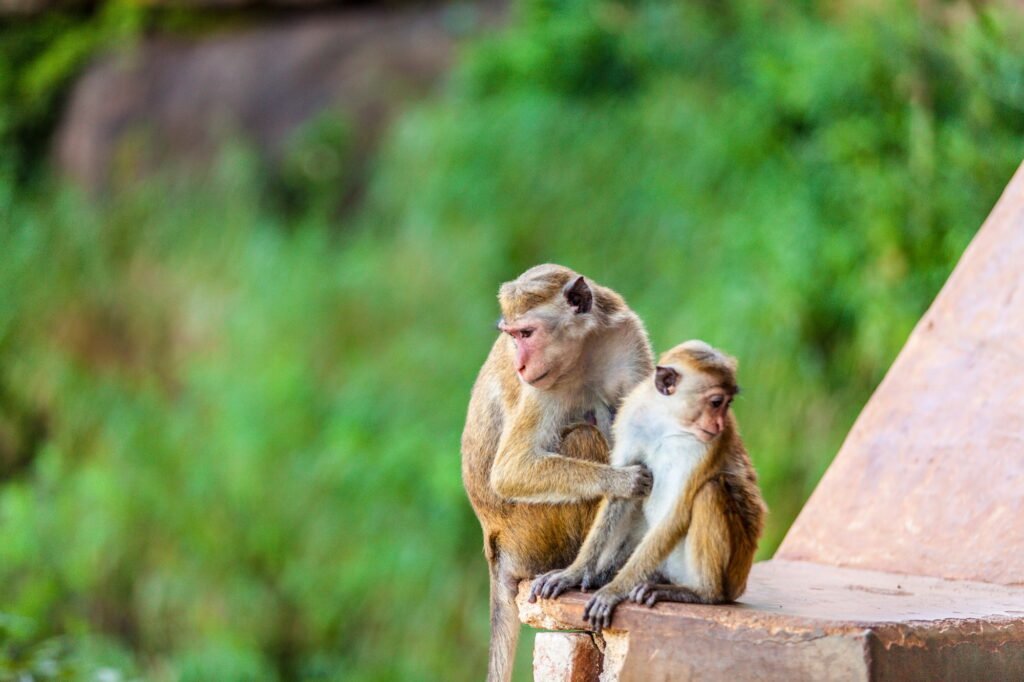
Wildlife includes purple-faced langur monkeys, fishing cats, crocodiles, and water monitors. Bird diversity is high, with both resident and migratory species using the wetland. The proximity to Colombo makes Muthurajawela accessible for short trips.
Bundala National Park Lagoons
While Bundala is primarily known as a national park for jeep safaris, its lagoon system offers water-based wildlife viewing. The park protects five lagoons that attract large numbers of water birds, including migratory species that winter in Sri Lanka.
Greater flamingos visit Bundala in significant numbers during certain months, creating spectacular pink flocks feeding in shallow lagoons. The sight of hundreds of flamingos against the blue water is memorable and photogenic.
Other water birds include pelicans, painted storks, spoonbills, and various waders. Boat access to certain lagoon areas provides different perspectives than land-based safari routes, and some bird species are easier to observe from water.
Mangrove Ecosystems and Their Importance
Mangrove forests exist where rivers meet oceans, creating brackish water environments. These trees have adapted to survive in saltwater, with specialized root systems that filter salt and provide stability in muddy substrate.
Mangroves serve critical ecological functions: protecting coastlines from erosion and storm damage, providing nursery habitat for fish species, filtering pollutants from water, and storing carbon. Sri Lanka has lost significant mangrove coverage to development, making remaining areas ecologically valuable.
The root systems create complex three-dimensional habitats supporting diverse life. Fish, crabs, mollusks, and other creatures live among the roots. Birds feed on these animals, while larger predators like fishing cats and crocodiles hunt in the channels.
What to Expect on River Safaris
River safaris typically use small motorboats that seat 4-8 passengers. Trips last 1.5 to 3 hours depending on the route and stops. The boats move slowly, allowing observation and photography without disturbing wildlife.
Guides point out wildlife and explain the ecosystem, though guide quality varies. Some focus primarily on larger animals, while others knowledgeable about birds and ecology provide deeper interpretation of what you’re seeing.
The experience is generally peaceful and relaxing. Unlike jeep safaris where you’re bouncing over rough tracks, river travel is smooth. The water, vegetation, and wildlife create calming atmospheres different from land-based safaris’ excitement.
Best Time for River Safaris
River safaris operate year-round, though wildlife viewing success varies seasonally. Bird diversity increases during northern hemisphere winter when migratory species arrive. November through March typically offers good conditions with pleasant weather and good bird numbers.
Early morning trips provide the best wildlife activity and lighting for photography. Afternoon trips work when morning isn’t possible, though heat and wind can reduce wildlife visibility during midday hours.
Rainy season doesn’t prevent river safaris, as boats offer some protection from rain. However, heavy downpours limit visibility and can make trips less enjoyable.
Photography Opportunities
River safaris offer excellent photography opportunities, particularly for bird photography. The slow boat movement allows camera stability, and you can approach wildlife more closely than possible on foot.
Reflections in calm water, mangrove patterns, and the interplay of light through vegetation create artistic possibilities beyond wildlife shots. Morning light produces the best conditions, with golden hour adding warmth to images.
A zoom lens is essential for bird photography, as you’ll want reach to photograph smaller species. Bring equipment that handles water exposure, as spray and humidity are factors on river trips.
Combining River and Land Safaris
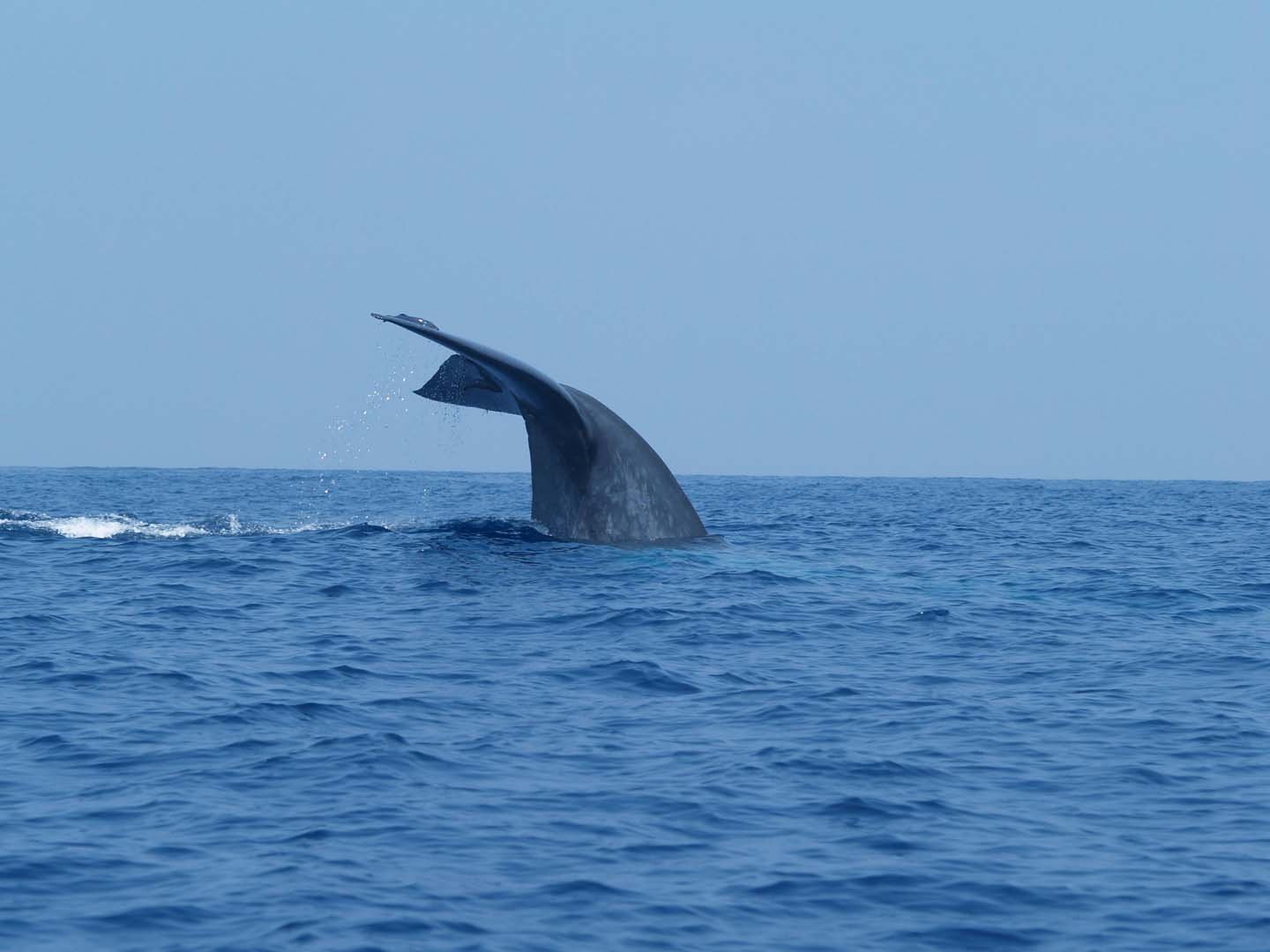
River safaris complement land-based safaris by showing different ecosystems and wildlife. A well-rounded Sri Lankan wildlife experience might include a national park jeep safari for large mammals, a river safari for wetland birds and ecosystem diversity, and perhaps whale watching for marine life.
This combination provides fuller appreciation of Sri Lanka’s biodiversity across different habitats. Each experience offers distinct perspectives on how different species have adapted to their environments.
Conservation and Responsible Tourism
Wetland and mangrove ecosystems face development pressure throughout Asia. Supporting responsible river safari operators contributes to conservation by creating economic value for preserving these areas.
Choose operators who maintain respectful distances from wildlife, don’t feed animals, and employ local guides. Some operators contribute directly to conservation projects or community development, making your visit more impactful beyond personal experience.
What to Bring
Sun protection is essential—hat, sunscreen, and sunglasses. While you’re on water, sun reflection intensifies exposure. Binoculars enhance bird watching, allowing you to observe distant species that boats can’t approach closely.
Light rain jackets work for sudden showers, though they can make you hot in humid conditions. Insect repellent helps in mangrove areas where mosquitoes are present. Water and snacks aren’t usually needed for shorter trips but bring them for longer excursions.
Experiencing River Ecosystems
River safaris reveal aspects of Sri Lankan nature often overlooked in favor of headline wildlife experiences. The quiet observation of ecosystem functioning, watching birds fish, observing reptiles, and understanding how mangroves support life creates different but equally valuable experiences.
These trips suit travelers interested in bird watching, photography, ecosystems, and peaceful nature experiences. They work well for those who prefer observation over adventure, though the wildlife encounters can still produce exciting moments.
Our river safari arrangements connect you with experienced boat operators and knowledgeable guides who understand these ecosystems. We schedule trips for optimal viewing times and can combine river experiences with other activities in the area. Whether you’re a keen bird watcher or simply want to see a different side of Sri Lankan nature, we organize river safaris that maximize your experience. Contact us to explore beyond the usual wildlife routes.