Colombo serves as Sri Lanka’s commercial capital and largest city. The metropolitan area holds over 5 million people, creating a bustling urban center that contrasts sharply with the island’s beaches and ancient ruins. Many visitors pass through Colombo on their way to other destinations, but the city deserves time in its own right.
The city blends colonial architecture with modern development, street markets with shopping malls, Buddhist temples with churches and mosques. This mixing of old and new, traditional and contemporary, defines Colombo’s character.
Where is Colombo
Colombo sits on Sri Lanka’s west coast, about 35 kilometers south of Bandaranaike International Airport. The city has been an important port for centuries, serving as a trading hub that attracted Portuguese, Dutch, and British colonizers.
While officially the commercial capital, with Sri Jayawardenepura Kotte being the administrative capital just outside Colombo, most people simply refer to the entire area as Colombo. The city spreads along the coast and inland, divided into numbered postal districts that locals use to identify neighborhoods.
The Fort and Pettah Districts
The Fort area, despite its name, no longer has fortifications. This district contains the colonial-era business center with grand buildings from British rule. Wide streets, official buildings, and the Old Parliament now converted to a museum characterize this area.
Pettah, just north of Fort, is Colombo’s main bazaar district. Narrow streets packed with shops sell everything imaginable: textiles, electronics, spices, religious items, hardware, and produce. Each street traditionally specializes in certain goods, though this is less rigid now than in the past.
Walking through Pettah immerses you in local commerce. The noise, crowds, and energy differ completely from tourist areas. Bargaining is expected, and you’ll find the best prices here compared to retail shops elsewhere.
Galle Face Green
Galle Face Green is a half-kilometer stretch of lawn beside the ocean, serving as Colombo’s main public gathering space. In the late afternoon and evening, families come to fly kites, play cricket, or simply enjoy the sea breeze.
Food vendors line the walkway, selling local snacks like isso wade (prawn crackers), rolls, and fresh coconut water. Watching the sunset over the Indian Ocean from Galle Face is a daily ritual for many Colombo residents.
The colonial-era Galle Face Hotel stands at the southern end of the green, a landmark hotel that has hosted guests since 1864. Even if you’re not staying there, the hotel’s colonial atmosphere and ocean views are worth seeing.
Gangaramaya Temple
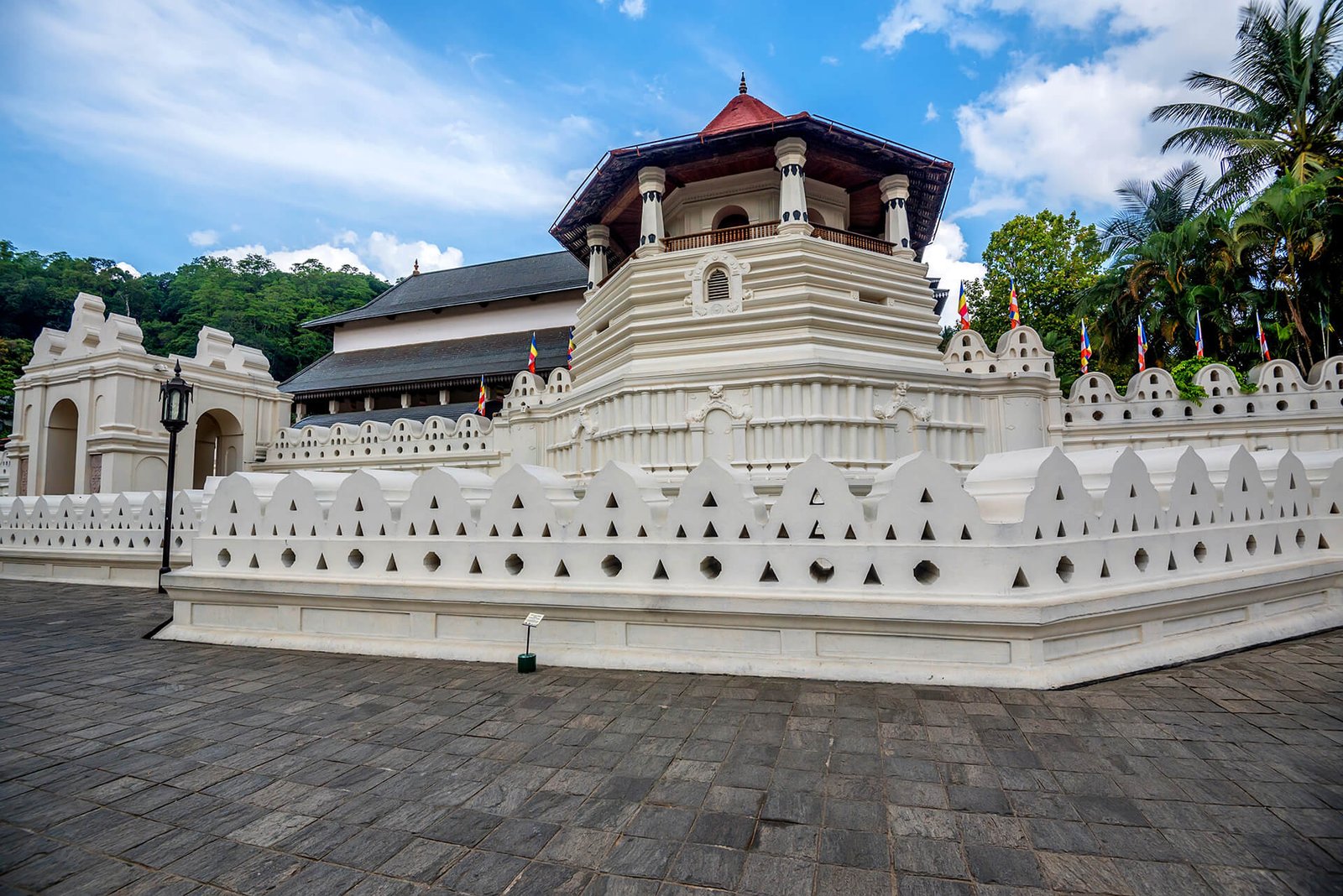
Gangaramaya is Colombo’s most important Buddhist temple and a major cultural center. The temple complex includes a main shrine, a museum, a library, and living quarters for monks. The architecture mixes traditional Sri Lankan, Thai, Indian, and Chinese elements.
The museum displays an eclectic collection of gifts received by the temple over decades: vintage cars, Buddha statues of all sizes, antique furniture, and religious artifacts from around the world. This collection, while chaotic, reflects the temple’s role as a community hub receiving donations.
The temple hosts one of Colombo’s largest Vesak celebrations and the annual Navam Perahera in February, a procession featuring elephants and traditional dancers similar to the Kandy Perahera but smaller in scale.
Independence Square and Memorial Hall
Independence Square commemorates Sri Lanka’s independence from British rule in 1948. The Independence Memorial Hall resembles traditional Kandyan architecture and stands at the square’s center. The surrounding area includes parkland popular for morning walks and exercise.
The memorial itself contains exhibits about the independence movement and key figures who led the country to freedom. Though not extensively detailed, it provides context for modern Sri Lankan history.
National Museum
The National Museum, established in 1877, houses Sri Lanka’s finest collection of historical artifacts. Exhibits cover prehistory to colonial times, displaying royal regalia, ancient sculptures, traditional masks, and items from various periods of Sri Lankan civilization.
The museum building itself is an impressive colonial structure surrounded by gardens. Highlights include the throne and crown jewels of the last Kandyan kings, ancient stone inscriptions, and Buddhist artifacts.
Visiting the museum provides historical context useful for understanding archaeological sites elsewhere on the island. Labels could be more detailed, but the collection itself is significant.
Viharamahadevi Park
This is Colombo’s largest park, offering green space in the urban center. The park has large trees, walking paths, and a lake with water fountains. Locals use it for morning jogs, family outings, and picnics.
The park sits across from the National Museum and Town Hall, making it a convenient stop while exploring this area. The park’s peaceful atmosphere provides respite from Colombo’s traffic and crowds.
Beira Lake and Seema Malaka
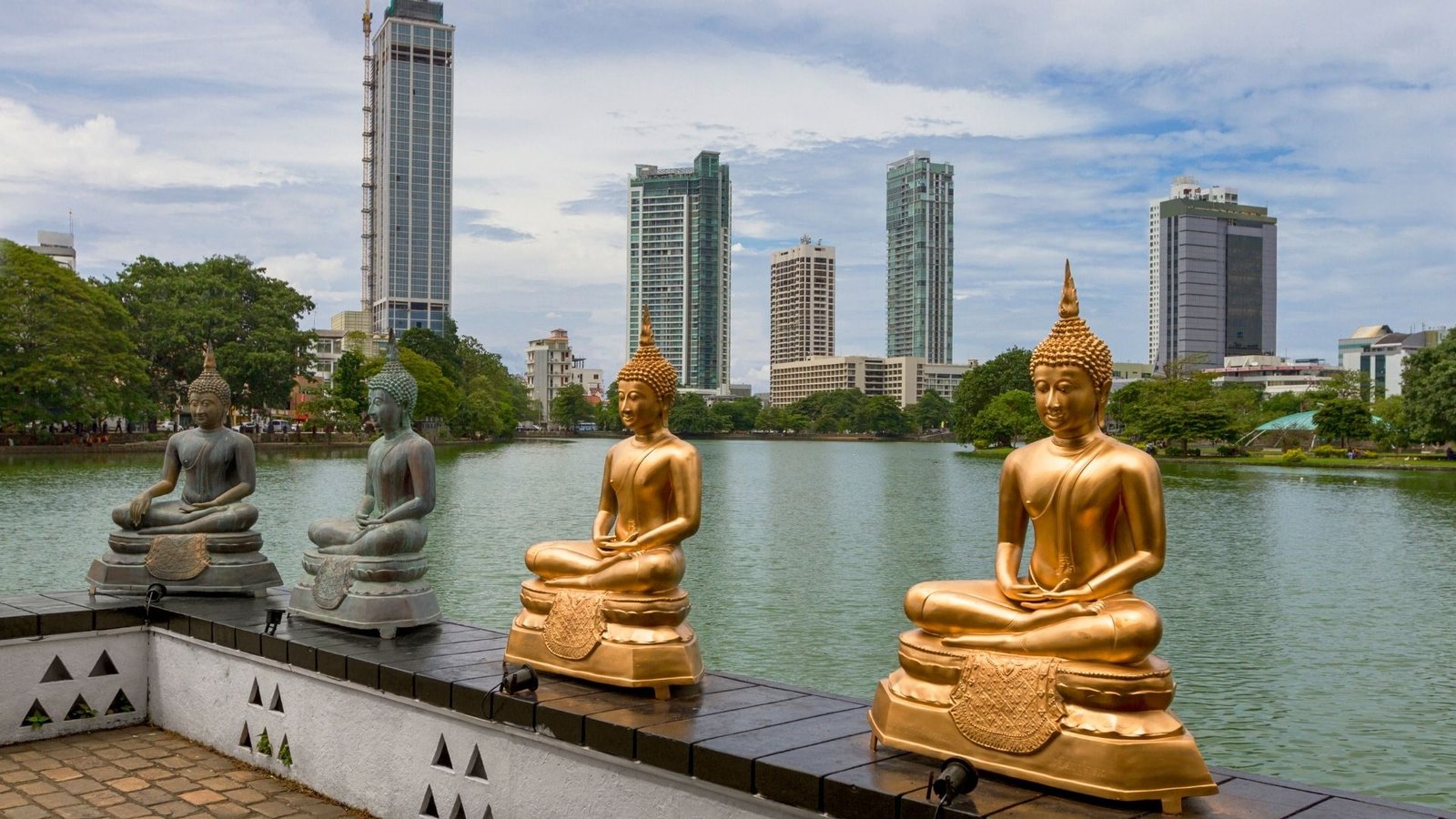
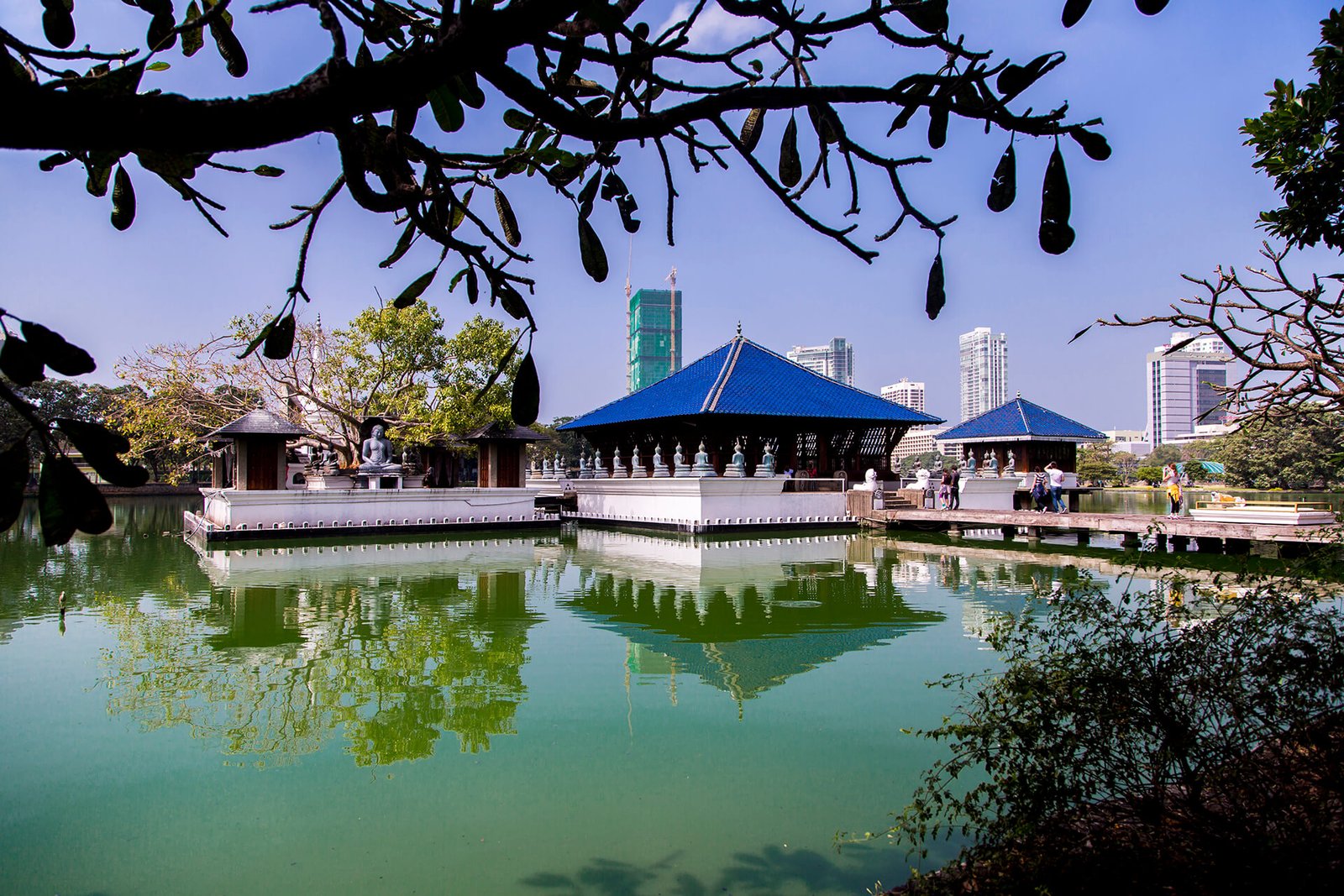
Beira Lake sits in the heart of Colombo, surrounded by urban development. Seema Malaka, a temple built on platforms on the lake, offers a tranquil spot despite its central location. The temple was designed by Geoffrey Bawa, Sri Lanka’s most famous architect, combining traditional temple design with his modernist aesthetic.
The temple is part of the Gangaramaya complex but has its own distinct character. The setting on the water with the city skyline in the background creates an unusual juxtaposition of sacred space and urban environment.
Colombo’s Modern Side
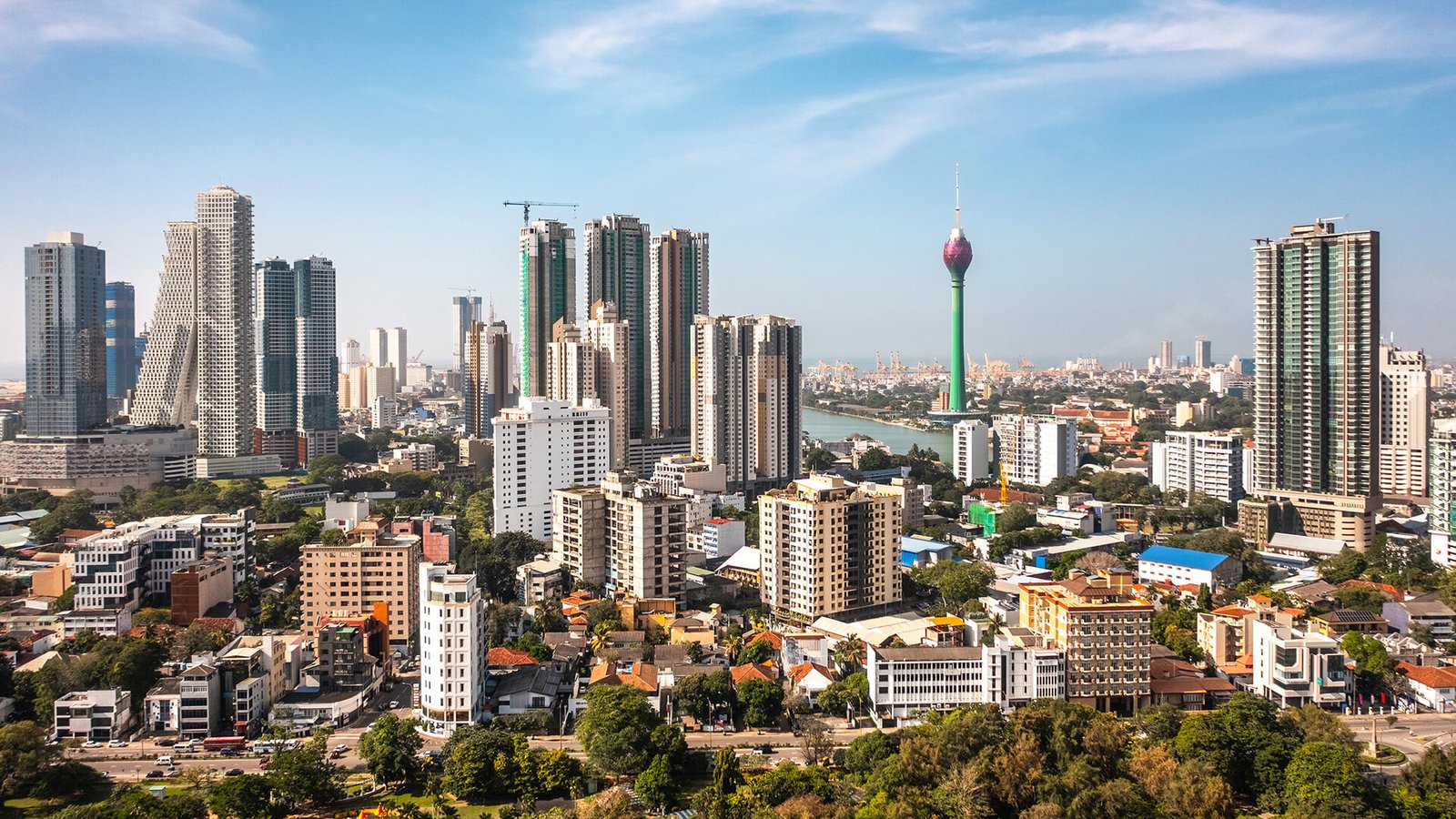
South Colombo contains the city’s modern developments. The Colombo City Centre and other shopping malls offer air-conditioned retail spaces with international brands alongside local shops. These areas reflect Sri Lanka’s growing economy and changing consumer culture.
The Port City development along the waterfront is transforming Colombo’s coastline with reclaimed land being developed into a new business district. This massive project signals Colombo’s ambitions as a regional commercial hub.
Colonial Architecture
Colombo retains numerous colonial-era buildings, particularly in the Fort and Cinnamon Gardens areas. The Old Dutch Hospital, now converted to restaurants and shops, exemplifies adaptive reuse of colonial structures. The building’s colonial architecture is preserved while housing modern businesses.
Red Mosque in Pettah showcases distinctive colonial Islamic architecture with red and white stripes. Wolvendaal Church, built by the Dutch in 1749, is one of the oldest Protestant churches still in use. These buildings show the layers of colonial influence on the city.
Street Food and Local Cuisine
Colombo’s street food scene offers authentic Sri Lankan flavors at low prices. Kottu roti, a dish of chopped flatbread mixed with vegetables, egg, and meat or fish, is a Colombo specialty. The rhythmic chopping of ingredients on metal griddles creates a distinctive sound heard throughout the city.
Short eats—small savory snacks like samosas, cutlets, and rolls—are sold in bakeries and tea shops throughout the city. These make quick breakfast or snack options. Lamprais, rice and curry wrapped and steamed in banana leaves, reflects Dutch Burgher influence on Sri Lankan cuisine.
Markets and Shopping
Beyond Pettah’s bazaar, several markets offer shopping experiences. Good Market, a weekly outdoor market, sells organic produce, crafts, and food. Manning Market is where locals buy vegetables, fish, and spices at wholesale prices.
Paradise Road and Barefoot are upscale shops selling high-quality crafts, textiles, and design items. These represent a different shopping experience from street markets, focusing on contemporary Sri Lankan design.
Best Time to Visit Colombo
Colombo can be visited year-round, though the city experiences monsoon rains from May to September. December to March offers the driest weather. However, even during rainy months, showers are typically short, and the city continues functioning normally.
Weekdays show the city at its busiest, with traffic and crowds at peak levels. Weekends, particularly Sundays, are quieter as many businesses close and traffic decreases.
Getting Around the City
Colombo’s traffic is notorious, and journey times can be unpredictable. Tuk-tuks are the most flexible option for short distances, though ride-hailing apps offer air-conditioned car services at fixed prices. Many attractions in Fort, Pettah, and nearby areas can be reached on foot, though the heat and humidity make walking tiring.
The recently expanded bus system connects most areas, but buses are often crowded, and routes can be confusing for visitors. Many travelers prefer hiring a vehicle with a driver for a day to see multiple sites efficiently.
Planning Your Colombo Visit
A full day allows you to see Colombo’s main attractions, though a second day lets you explore more thoroughly. Many people split their Colombo time between arrival and departure days, using the city as a bookend to their Sri Lankan journey.
Combining historic sites with modern shopping, street food with restaurants, and tourist attractions with local neighborhoods provides a rounded view of the capital. Morning visits work better for outdoor sites and markets before midday heat becomes intense.
Our Colombo city tours balance cultural sites, local experiences, and the city’s colonial heritage. We arrange transportation that navigates the city efficiently, stopping at key attractions while allowing time for authentic local encounters. Whether you have a few hours between flights or a full day to explore, we show you Colombo beyond the surface. Contact us to discover the capital.